PHYSIOMODALITIES ENTERPRISES

Transcutaneous Electrical Nerve Stimulation (TENS)

TENS Therapy: The Complete Professional Guide to Natural Pain Relief Without Medication

Pain has quietly become one of the biggest health challenges of modern life. Long hours of sitting, poor posture, work stress, lack of movement, aging joints, sports injuries, and nerve compression have made chronic pain common even among young adults. Back pain, neck stiffness, knee pain, muscle tightness, and nerve-related discomfort are no longer rare problems — they are everyday realities for millions.

Most people rely heavily on pain management support for quick relief. While these options may reduce discomfort temporarily, they do not address the root cause. Over time, frequent use may lead to dependency, stomach issues, liver stress, and reduced effectiveness.

This is why modern physiotherapy strongly focuses on non-drug pain management techniques, and one of the most trusted among them is TENS Therapy — a safe, scientifically proven method for long-term pain control.

What Is TENS Therapy?

Transcutaneous Electrical Nerve Stimulation

In simple medical terms, TENS is a therapy that delivers gentle electrical impulses through the skin to stimulate nerves and support discomfort reduction naturally.

Rather than masking pain like certain substances, TENS works directly on the nervous system—the same system responsible for carrying pain signals to the brain. By modifying how these signals travel, the brain perceives significantly less discomfort.

This makes TENS an effective, drug-free solution for both acute and chronic pain conditions.

How TENS Therapy Works Inside the Body

TENS therapy is based on two powerful biological mechanisms:

1. The Pain Gate Mechanism Electrical impulses stimulate sensory nerves that interfere with pain signal transmission. This essentially "blocks" the signal before it reaches the brain.
2. Natural Endorphin Release The stimulation encourages the body to produce endorphins—your internal, natural pain-relieving chemicals.

Practical Results

Faster pain reduction
Muscle relaxation
Improved blood circulation
Reduced inflammation sensitivity
Enhanced healing response
"Because the body participates in its own pain control process, the relief feels more natural and sustainable."
Major Conditions Where TENS Therapy Is Highly Effective
Muscle Pain and Muscle Disorders

Modern lifestyle places continuous stress on muscles. Poor posture, prolonged sitting, repetitive movements, and physical overload often cause muscle fibers to tighten and fatigue.

TENS therapy is widely used for:

  • Neck stiffness and tension headaches
  • Shoulder tightness and upper back strain
  • Lower back muscle pain
  • Thigh and calf cramps
  • Muscle spasms after exertion
By relaxing muscle fibers and improving oxygen flow, TENS helps restore flexibility and comfort.
Joint Pain and Degenerative Problems

Joint pain commonly develops from wear-and-tear, arthritis, stiffness, and reduced circulation. TENS provides excellent support for: Knee osteoarthritis, Frozen shoulder, Elbow and wrist pain, Ankle stiffness, and Post-injury joint soreness. The therapy reduces pain sensitivity and improves movement quality without stressing the joints.

Nerve-Related Pain Conditions

Nerve pain is often sharp, burning, tingling, or shooting in nature and difficult to control with standard interventions. TENS is highly beneficial for: Sciatica, Slipped disc pain, Cervical nerve compression, Numbness and tingling sensations, and Diabetic neuropathy. By calming irritated nerves, TENS brings relief where traditional methods often fail.

Injury Recovery and Rehabilitation

Physiotherapists use TENS extensively during rehabilitation programs for: Sports injuries, Muscle strain and ligament stress, Fracture recovery after cast removal, and Post-surgical pain management. Pain relief allows earlier movement and faster functional recovery.

Women’s Health Applications

TENS therapy is increasingly used in women’s physiotherapy for: Menstrual cramps, Post-delivery pain, Pelvic floor discomfort, and Pregnancy-related back pain (with medical guidance). It provides gentle, medication-free comfort during sensitive phases of life.

Understanding Different Types of TENS Machines

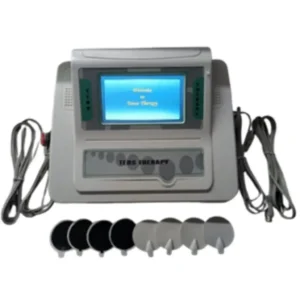
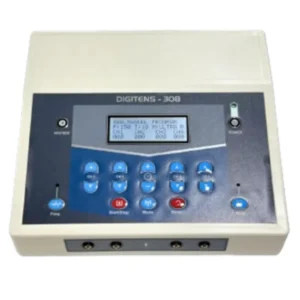
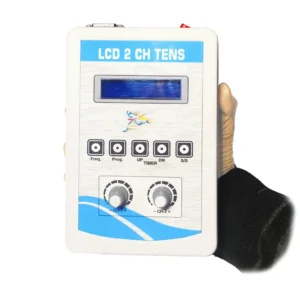
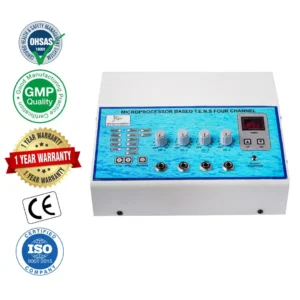
Not all TENS devices perform the same. The effectiveness depends on technology quality and output stability. Basic circuit-based units are designed for mild pain and occasional home use. They are simple but less precise. Regulated power TENS machines provide consistent stimulation and stronger pain control, making them suitable for clinics and regular users. Microprocessor-controlled professional TENS systems offer precise frequency control, multiple therapy modes, enhanced safety, and long-term durability — ideal for hospitals and advanced physiotherapy centers.

Choosing the Right TENS Based on Usage

For clinical environments, multi-channel high-output machines are preferred to treat multiple patients efficiently. For home users, compact and easy-to-operate units provide safe daily pain management. For mobile physiotherapists, rechargeable portable machines balance power with convenience.

What Do TENS Channels Mean and Why They Matter

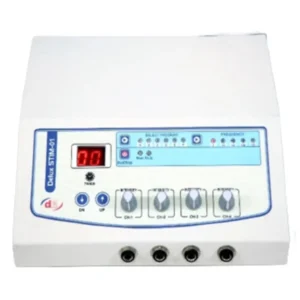
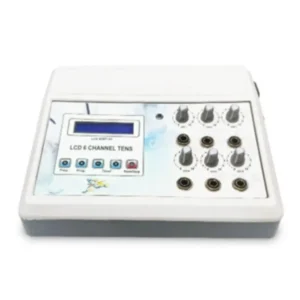
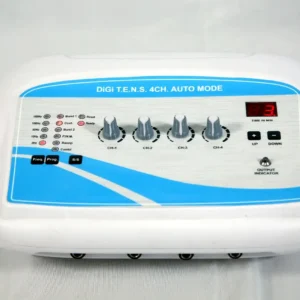
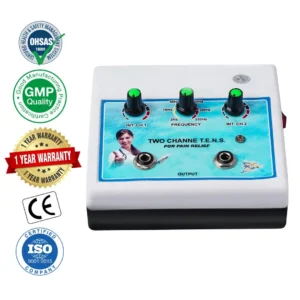
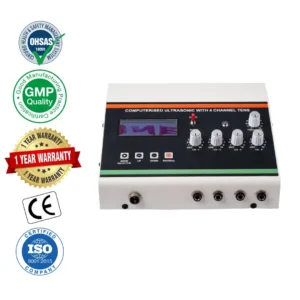
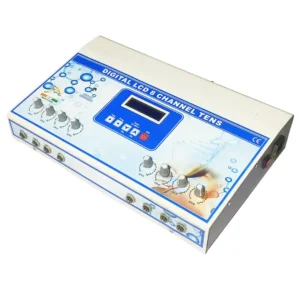
Channels determine how many body areas can be treated at the same time. One channel treats a single pain region, while multi-channel systems can manage several areas simultaneously. Higher channel capacity is especially useful in clinical settings where multiple muscles or joints require therapy together. More channels mean faster sessions, broader coverage, and improved recovery efficiency.

Understanding TENS Channels (Very Important Concept): 1 Channel: Treats 1 specific area
2 Channels: Dual area treatment
4 Channels: Quad-zone therapy
8 Channels: Full body professional protocol

More Channels = Faster Recovery + Better Efficiency
Correct Electrode Placement for Maximum Relief

Proper placement ensures optimal results:

  • Back pain responds best when pads are placed on both sides of the spine over painful muscles.
  • Neck and shoulder pain improves when pads target the upper trapezius muscles.
  • Knee pain benefits from pads positioned around the joint, not directly on bone.
  • Sciatica relief comes from combining lower back and thigh nerve pathway placement.

Always begin with low intensity and increase gradually for comfort.

Key Advantages of TENS Therapy
  • Drug-free pain control
  • No risk of addiction
  • Safe long-term usage
  • Fast symptom relief
  • Better circulation
  • Muscle relaxation
  • Enhanced natural healing
  • Cost-effective treatment
Who Can Safely Use TENS Therapy?

TENS is suitable for most individuals including office workers, elderly patients, athletes, homemakers, and rehabilitation patients. However, individuals with pacemakers, epilepsy, or pregnancy should always consult a medical professional before use.

Final Words: Why TENS Therapy Is a Smart Pain Management Solution

TENS therapy is not just another pain relief tool — it is a scientifically backed method that works directly with the body’s nervous system to control pain naturally. By blocking pain signals, stimulating circulation, relaxing muscles, and activating natural healing responses, TENS provides long-lasting comfort without harmful side effects. Whether used at home, in physiotherapy clinics, or in rehabilitation programs, TENS therapy has become one of the most trusted technologies for safe, effective, and modern pain relief.

Expert FAQ
How long does a TENS session last? Most sessions last between 15-30 minutes, though chronic discomfort may require longer application as directed by a healthcare professional.
Can I use TENS while sleeping? It is generally not recommended to use TENS while sleeping to avoid electrode displacement or skin irritation during movement.
Is TENS therapy safe for daily use? Yes, TENS is designed for safe daily pain management as long as the user follows the recommended placement and intensity guidelines.

Leave a Comment

Your email address will not be published. Required fields are marked *

2
    2
    Your Cart
    Scroll to Top