PHYSIOMODALITIES™

Author name: Rahul

Round Peg Board Front View

Five Round Peg Board

The Five Round Peg Board is a compact occupational therapy and rehabilitation exercise device designed to support hand-eye coordination, fine motor skills, grasping, placement, dexterity, and cognitive-motor activities. It provides a structured tabletop exercise in which users pick up and place pegs into corresponding holes, making it useful for hand rehabilitation and therapeutic skill development.
Five Round Peg Board Read More »

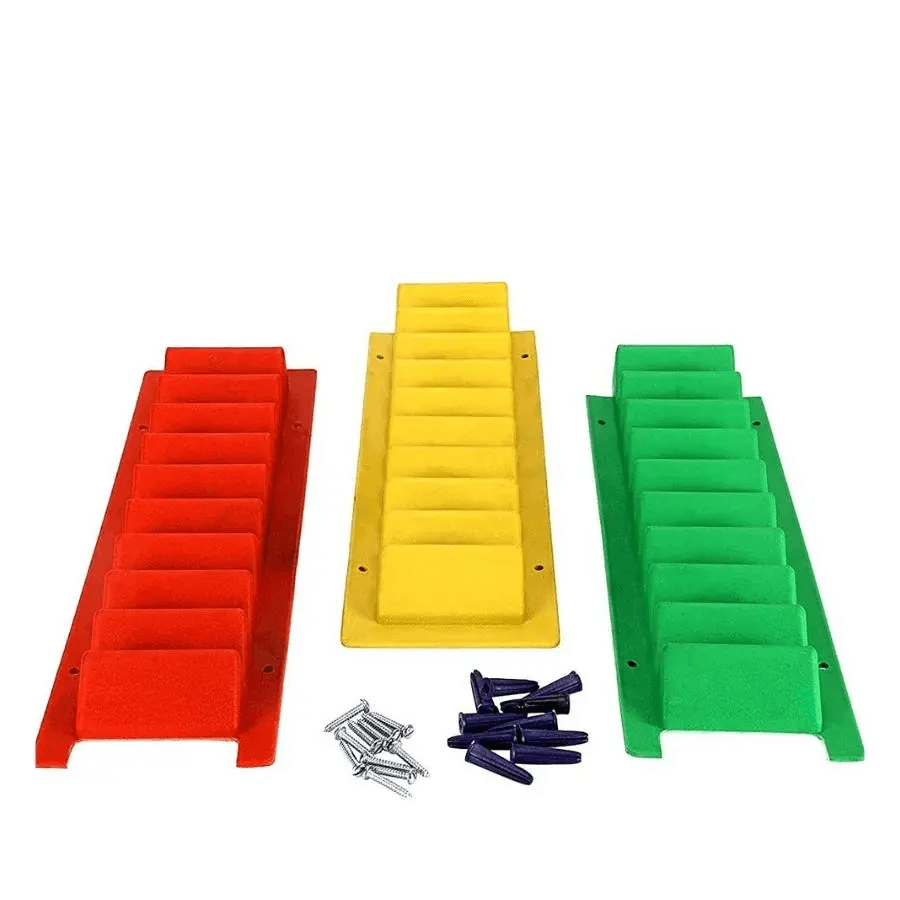
Three colorful wall-mounted physiotherapy climbing ladders in red, yellow, and green with stepped grips, mounting hardware, and fasteners on a white background.

Wall Mounted Climbing Ladder

The Wall Mounted Climbing Ladder is a versatile physiotherapy and rehabilitation equipment designed to support assisted exercise, stretching, mobility training, shoulder and upper-limb rehabilitation, posture exercises, and progressive functional training. Also known as a wall ladder, stall bar, or therapy ladder in different rehabilitation settings, it provides multiple height-adjustable hand positions for controlled therapeutic exercises.

Wall Mounted Climbing Ladder Read More »

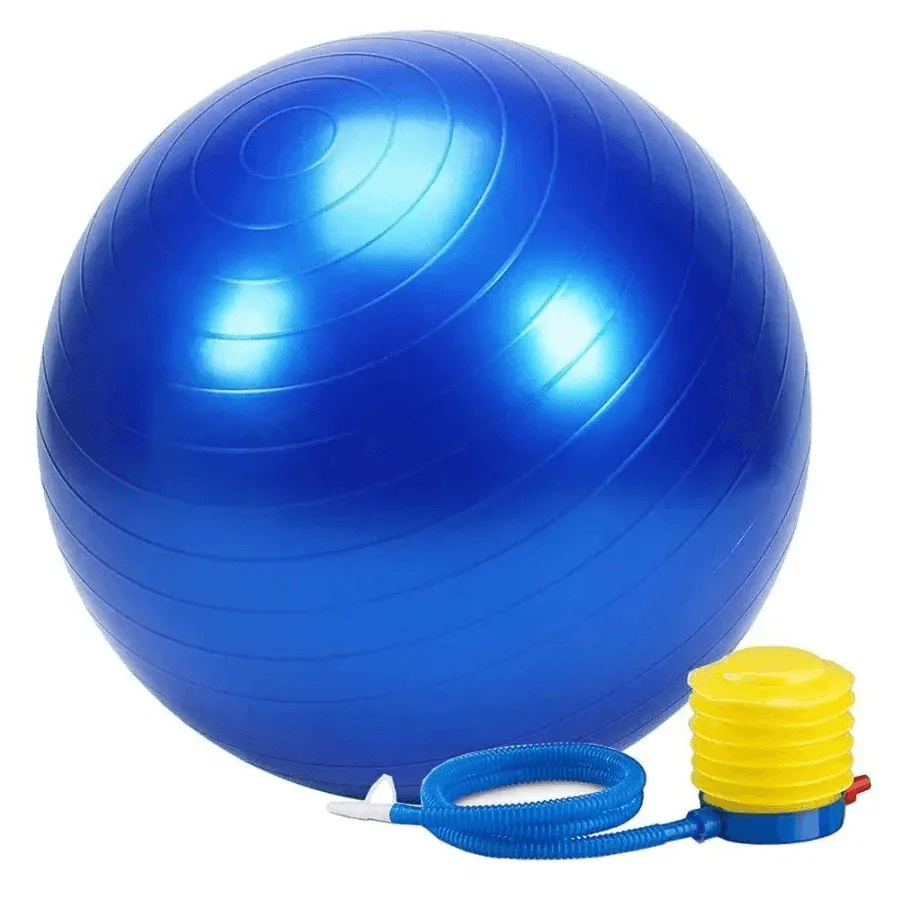
Blue exercise stability ball with a textured surface and included hand pump for fitness, balance, core strengthening, and rehabilitation exercises.

Exercise Ball

The Exercise Ball is a versatile physiotherapy and rehabilitation equipment designed to support balance training, core strengthening, flexibility, posture exercises, mobility training, and functional rehabilitation. Also commonly used as a stability or therapy ball, it provides an unstable exercise surface that encourages controlled muscle engagement while performing different movements. Exercise balls are widely incorporated into

Exercise Ball Read More »

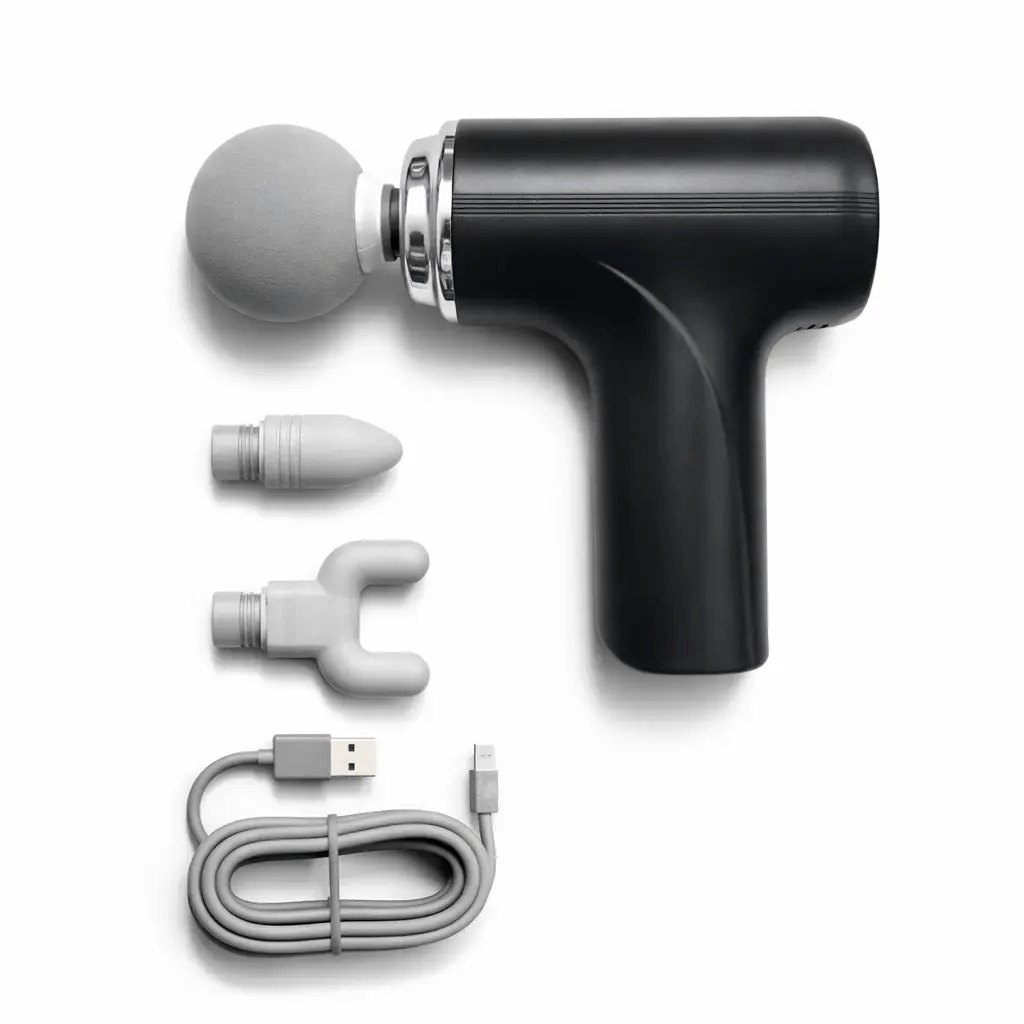
Portable percussion massage gun with interchangeable massage attachments and USB charging cable for targeted muscle massage and recovery.

Percussion Massage Gun

The Percussion Massage Gun is a handheld mechanical massage and soft-tissue therapy device designed to deliver rapid, repetitive percussive movements to targeted muscle areas. It can be incorporated into physiotherapy, sports recovery, exercise therapy, and muscle-care routines where controlled soft-tissue stimulation is appropriate. Percussion massage devices use interchangeable or fixed massage attachments to apply rhythmic

Percussion Massage Gun Read More »

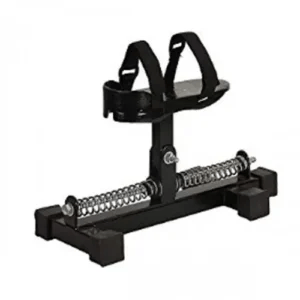
Manual ankle exerciser with adjustable resistance springs, foot strap support, and a sturdy metal base for controlled ankle and lower-limb rehabilitation exercises.

Ankle Exerciser Rehabilitation

The Ankle Exerciser Rehabilitation is a practical physiotherapy and exercise therapy device designed to support controlled ankle movement, mobility, strengthening, flexibility, and progressive rehabilitation. It can be incorporated into supervised rehabilitation programs where patients need structured ankle exercises following injury, immobilisation, surgery, sports-related problems, or reduced joint mobility. Ankle rehabilitation generally requires gradual and controlled

Ankle Exerciser Rehabilitation Read More »

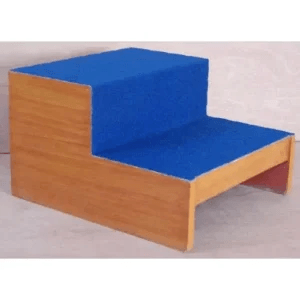
Exercise foot stepper with a blue cushioned two-step platform designed for physiotherapy, rehabilitation, balance training, and step practice.

Rehabilitation Foot Stepper

The Rehabilitation Foot Stepper is a compact physiotherapy and rehabilitation exercise device designed for controlled lower-limb movement, foot and ankle exercise, stepping practice and functional mobility training. It provides a repetitive stepping motion through foot-operated pedals, allowing patients to perform controlled exercises according to their rehabilitation program. Foot steppers can be used for lower-limb exercise

Rehabilitation Foot Stepper Read More »

Manual Tilt Table Rehabilitation

Manual Tilt Table

The Manual Tilt Table is a specialised physiotherapy and rehabilitation equipment designed to provide controlled patient positioning from a horizontal position toward an upright standing position. It is commonly used for standing therapy, postural training, weight-bearing practice, neurological rehabilitation and functional mobility programs. A manual tilt table allows the therapist to gradually change the patient’s

Manual Tilt Table Read More »

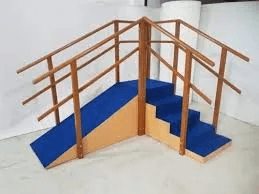
Wooden physiotherapy rehabilitation staircase with blue padded steps, inclined ramps, and multiple parallel handrails for gait training, balance exercises, and lower-limb rehabilitation.

Exercise Corner Stair Case Therapy

The Exercise Corner Stair Case Therapy is a specialised physiotherapy and rehabilitation equipment designed for gait training, stair-climbing practice, balance exercises, lower-limb strengthening and functional mobility training. Its corner-style configuration provides a structured area where patients can practise stepping and walking activities under professional supervision. Exercise corner staircases are commonly used in physiotherapy clinics, rehabilitation

Exercise Corner Stair Case Therapy Read More »

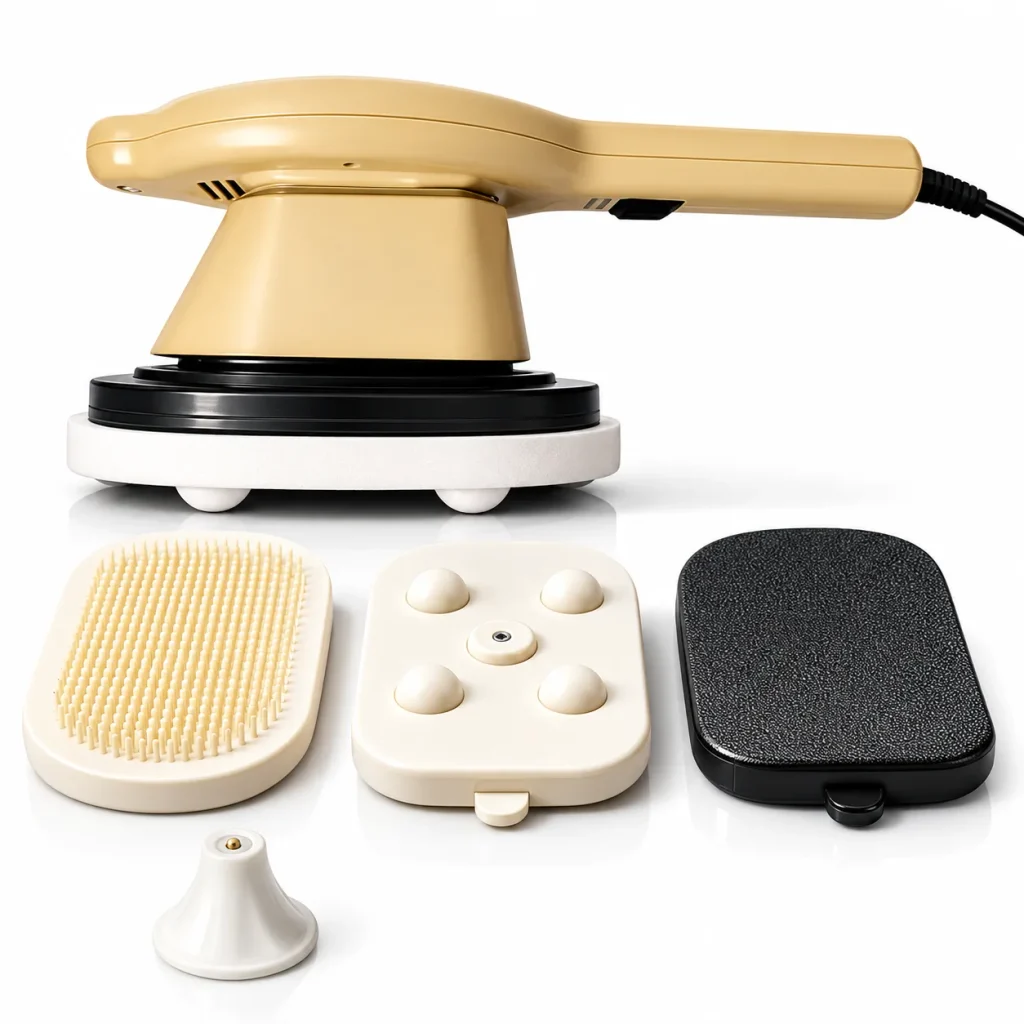
Handheld Full Body Massager Machine with Multiple Interchangeable Massage Heads

G-5 Chest Vibrator Massager Machine

The G-5 Chest Vibrator Massager Machine for Physiotherapy is a specialised mechanical vibration device designed for use in chest physiotherapy and selected respiratory rehabilitation programs. It provides rhythmic mechanical vibration through an applicator and can be incorporated into professional chest physiotherapy techniques when clinically appropriate. G5-type chest vibrator equipment is commonly associated with chest physiotherapy,

G-5 Chest Vibrator Massager Machine Read More »

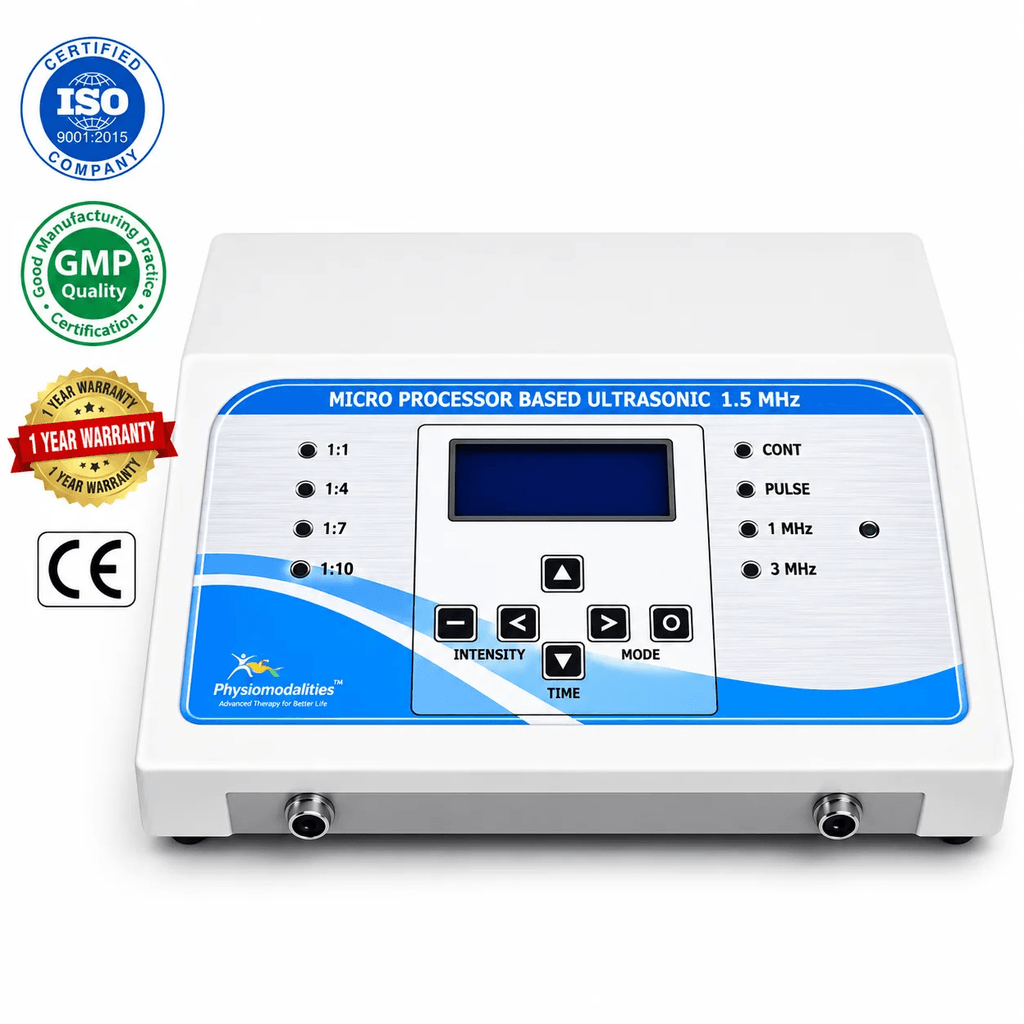
The Microprocessor Based 1 & 3 MHz Ultrasonic Physiotherapy Machine is a professional therapeutic ultrasound device designed for physiotherapy clinics, rehabilitation centres, hospitals, sports therapy centres, and other healthcare facilities. It combines microprocessor-based control with dual-frequency 1 MHz and 3 MHz ultrasonic therapy, providing flexibility for different treatment depths and clinical applications. The 1 MHz frequency is generally selected when treatment of relatively deeper tissues is required, while 3 MHz is typically preferred for more superficial tissues. Treatment parameters should always be selected according to professional assessment and the patient's individual requirements. PHYSIOMODALITIES™ provides physiotherapy equipment designed for practical clinical use, with a focus on convenient controls, reliable operation, and professional rehabilitation applications. What Is a Microprocessor Based 1 & 3 MHz Ultrasonic Physiotherapy Machine? A Microprocessor Based 1 & 3 MHz Ultrasonic Physiotherapy Machine is an electronic therapeutic ultrasound unit that uses a microprocessor-controlled system to manage available treatment parameters. The dual-frequency configuration allows the physiotherapist to select between 1 MHz and 3 MHz according to the intended treatment depth and clinical protocol. The machine uses an ultrasonic applicator with suitable coupling gel to transfer acoustic energy to the selected treatment area. How Does It Work? Therapeutic ultrasound uses high-frequency acoustic energy delivered through an applicator placed over the treatment area. During a typical session: The physiotherapist assesses the patient and selects the treatment area. The skin is prepared before treatment. Appropriate ultrasonic coupling gel is applied. The required frequency is selected. Treatment intensity and other available parameters are adjusted. The applicator is moved over the treatment area using the recommended technique. The patient is monitored throughout the session. The treatment is stopped after the selected time. 1 MHz Frequency 1 MHz is generally associated with treatment of relatively deeper tissues and may be selected when a greater treatment depth is required. 3 MHz Frequency 3 MHz is generally associated with more superficial tissues and may be selected when a shallower treatment depth is appropriate. Key Features Dual Frequency: 1 MHz & 3 MHz The machine provides two commonly used therapeutic ultrasound frequencies, giving the physiotherapist greater flexibility when selecting treatment parameters. Microprocessor-Based Control Microprocessor-based operation allows available treatment parameters to be managed electronically and provides a convenient interface for professional use. Digital Display The digital display helps the operator monitor selected treatment settings during the therapy session. Adjustable Treatment Parameters Available intensity, mode, and treatment duration can be adjusted according to the machine configuration and prescribed treatment protocol. Continuous & Pulsed Therapy Ultrasonic therapy machines may provide continuous and pulsed operating modes, allowing professionals to select the appropriate mode according to the treatment requirement. Digital Timer A treatment timer helps control the duration of each therapy session and supports consistent treatment procedures. Professional Ultrasonic Applicator The applicator is designed to deliver ultrasonic energy to the selected treatment area when used with an appropriate coupling medium. Applications The Microprocessor Based 1 & 3 MHz Ultrasonic Physiotherapy Machine may be incorporated into professional physiotherapy and rehabilitation programs for: Soft-tissue rehabilitation Muscle stiffness Sports injury rehabilitation Joint-related rehabilitation Tendon and ligament rehabilitation Muscle strains Selected post-injury rehabilitation programs Superficial and deeper tissue treatment protocols General therapeutic ultrasound applications The machine should be used only when therapeutic ultrasound is appropriate for the individual patient. Benefits Dual-Frequency Flexibility Having both 1 MHz and 3 MHz frequencies in one unit allows the therapist to select the frequency appropriate for the intended treatment depth. Microprocessor-Based Operation Electronic control helps provide convenient management of available therapy settings. Professional Clinical Use The machine is suitable for physiotherapy clinics, rehabilitation centres, hospitals, and sports rehabilitation facilities. Consistent Treatment Timing The digital timer helps maintain the planned duration of each treatment session. Easy Parameter Monitoring Digital controls and display indicators make it easier for trained operators to monitor the selected settings. Practical Physiotherapy Equipment The combination of dual-frequency ultrasound and digital control makes the unit a versatile addition to a professional physiotherapy setup. How to Use the Machine Step 1: Inspect the Equipment Check the main unit, applicator, cable, and controls before starting treatment. Step 2: Prepare the Treatment Area Position the patient comfortably and prepare the selected treatment area. Step 3: Apply Coupling Gel Apply suitable ultrasonic coupling gel evenly over the treatment area. Step 4: Select the Frequency Choose 1 MHz or 3 MHz according to the prescribed treatment protocol. Step 5: Set Treatment Parameters Select the appropriate intensity, mode, and treatment duration available on the machine. Step 6: Start Treatment Place the applicator properly against the gel-covered treatment area and begin therapy. Step 7: Move the Applicator Move the applicator using the technique recommended by the manufacturer and qualified physiotherapist. Step 8: Monitor the Patient Observe patient comfort throughout the session and modify or stop treatment if unexpected discomfort occurs. Step 9: Complete Treatment Stop the output, remove the applicator, clean away the coupling gel, and clean the applicator according to the manufacturer's instructions. Safety Precautions Operate the equipment only according to the manufacturer's instructions. The machine should be used by appropriately trained healthcare professionals. Always use a suitable coupling medium during ultrasonic treatment. Do not use the applicator over damaged skin unless specifically directed by a qualified healthcare professional. Follow contraindications and precautions associated with therapeutic ultrasound. Avoid treating areas where ultrasound therapy is not appropriate. Inspect the applicator and cable before every treatment. Do not operate the machine with wet hands. Keep the main unit away from water and excessive moisture. Stop treatment if the patient experiences unusual pain, excessive heat, or other unexpected symptoms. Things to Consider Before Buying Before purchasing a Microprocessor Based 1 & 3 MHz Ultrasonic Physiotherapy Machine, consider: Dual 1 MHz and 3 MHz frequency availability Microprocessor-based control Digital display Continuous and pulsed modes Intensity range Timer range Applicator size and design Output power/intensity Pulse settings Power supply Accessories included Warranty Manufacturer support Availability of replacement applicators and accessories Technical Specifications Specification Details Product Name Microprocessor Based 1 & 3 MHz Ultrasonic Physiotherapy Machine Therapy Type Therapeutic Ultrasonic Therapy Frequency 1 MHz & 3 MHz Control System Microprocessor Based Display Digital Display Treatment Mode Continuous / Pulsed, model dependent Intensity Adjustable, model dependent Timer Digital / Adjustable Applicator Ultrasonic Therapy Applicator Application Physiotherapy & Rehabilitation Suitable For Clinics, Hospitals & Rehabilitation Centres Power Supply Model dependent Operation Professional Use Note: Exact output power, intensity range, pulse ratio, timer range, applicator area, dimensions, weight, voltage, and accessories should be verified from the manufacturer's datasheet for the exact model before publishing them as fixed specifications. Who Should Operate This Machine? The machine should preferably be operated by a qualified physiotherapist or appropriately trained healthcare professional who understands therapeutic ultrasound, treatment parameters, contraindications, applicator movement, and patient monitoring. Why Choose PHYSIOMODALITIES™? PHYSIOMODALITIES™ offers a range of professional physiotherapy and rehabilitation equipment designed for clinical environments. Its product range covers electrotherapy, therapeutic ultrasound, muscle stimulation, TENS, IFT, deep heat, and combination therapy equipment. The brand focuses on practical equipment designs that can be incorporated into physiotherapy clinics, rehabilitation centres, hospitals, and professional treatment environments. Why Choose This Machine? The Microprocessor Based 1 & 3 MHz Ultrasonic Physiotherapy Machine offers the convenience of two commonly used ultrasound frequencies in a single professional unit. The microprocessor-based control system provides convenient management of available treatment settings, while the dual-frequency design gives therapists flexibility for different treatment depths. It is a practical option for clinics and rehabilitation facilities that require a versatile therapeutic ultrasound machine for professional use. Conclusion The Microprocessor Based 1 & 3 MHz Ultrasonic Physiotherapy Machine is a professional therapeutic ultrasound solution designed for physiotherapy and rehabilitation applications. Its 1 MHz and 3 MHz frequency options, microprocessor-based controls, digital operation, and adjustable treatment settings make it suitable for a variety of professional ultrasound therapy protocols. With appropriate patient assessment and professional operation, this equipment can be incorporated into physiotherapy treatment programs where therapeutic ultrasound is indicated. Frequently Asked Questions 1. What is a 1 & 3 MHz Ultrasonic Physiotherapy Machine? It is a therapeutic ultrasound machine that provides both 1 MHz and 3 MHz frequencies for professional physiotherapy applications. 2. What is the difference between 1 MHz and 3 MHz? Generally, 1 MHz is used for relatively deeper treatment, while 3 MHz is associated with more superficial treatment. 3. What does microprocessor-based mean? It means the machine uses an electronic microprocessor control system to manage available treatment parameters and functions. 4. Is this machine suitable for physiotherapy clinics? Yes. It is designed for professional physiotherapy, rehabilitation, sports therapy, and healthcare environments. 5. Who should operate the machine? It should preferably be operated by a qualified physiotherapist or appropriately trained healthcare professional.

Microprocessor Based 1 & 3 MHz Ultrasonic Physiotherapy Machine

The Microprocessor Based 1 & 3 MHz Ultrasonic Physiotherapy Machine is a professional therapeutic ultrasound device designed for physiotherapy clinics, rehabilitation centres, hospitals, sports therapy centres, and other healthcare facilities. It combines microprocessor-based control with dual-frequency 1 MHz and 3 MHz ultrasonic therapy, providing flexibility for different treatment depths and clinical applications. The 1 MHz

Microprocessor Based 1 & 3 MHz Ultrasonic Physiotherapy Machine Read More »

0
0
Your Cart
Your cart is empty
Scroll to Top