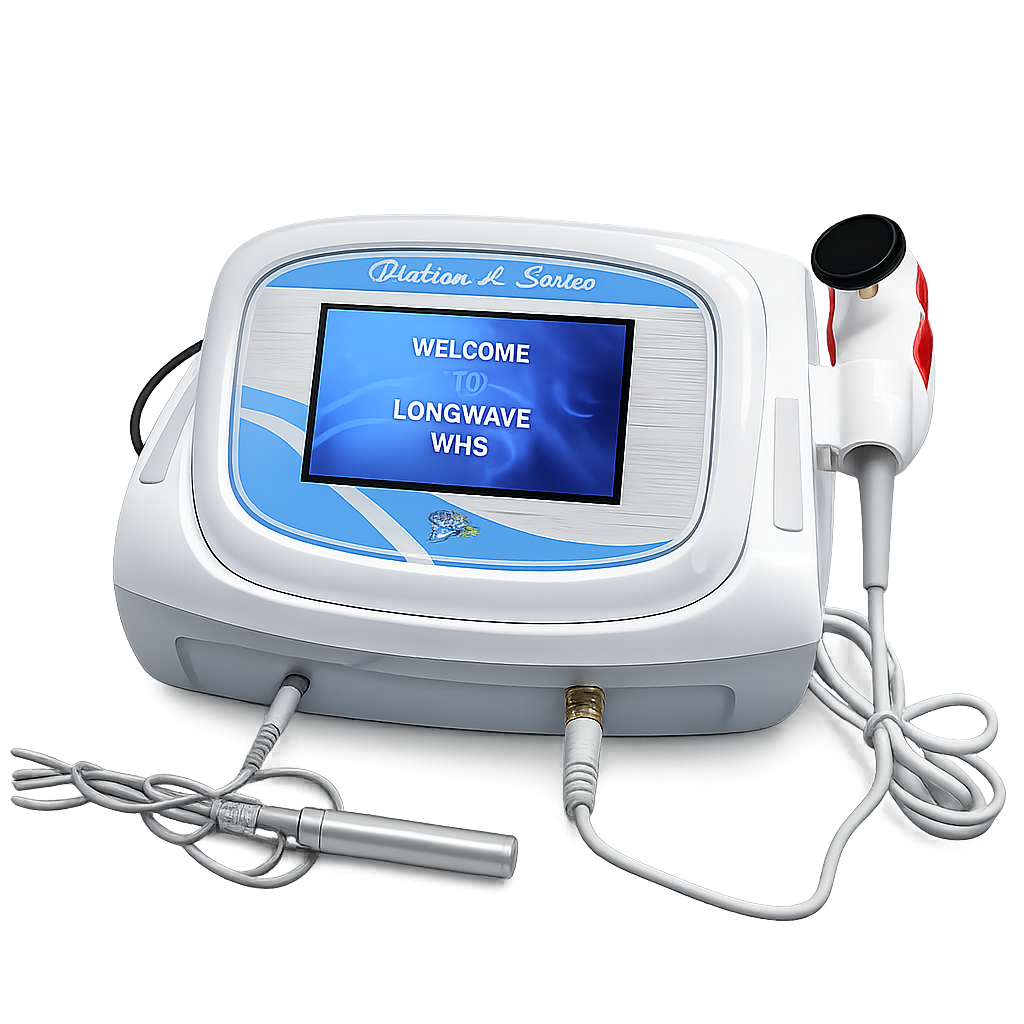
Advanced Longwave Diathermy Therapy Machine for Physiotherapy and Rehabilitation
The Longwave Diathermy Therapy Machine is a specialised physiotherapy device designed to deliver therapeutic electromagnetic energy for selected clinical applications. It is intended for use in professional physiotherapy, rehabilitation, and healthcare environments where diathermy treatment is appropriate.
Longwave diathermy uses electromagnetic energy at a specified radiofrequency to produce tissue heating under controlled conditions. Depending on the machine’s technical configuration and intended use, it may be incorporated into selected physiotherapy programs involving musculoskeletal conditions and rehabilitation.
For physiotherapy clinics, hospitals, and rehabilitation centres, a Longwave Diathermy Therapy Machine can be an option when evaluating equipment for professional thermal therapy applications. The device’s operating frequency, output power, treatment modes, applicator design, and safety features should be verified against the manufacturer’s official specifications before purchase.
Key Features of Longwave Diathermy Therapy Machine
- Longwave Diathermy Technology
- Electromagnetic Energy-Based Therapy
- Designed for Professional Physiotherapy Applications
- Suitable for Selected Thermal Therapy Procedures
- Treatment Configuration According to Model Specifications
- Professional Clinical Equipment Design
- Intended for Use by Trained Healthcare Professionals
- Operating Parameters According to Manufacturer Instructions
- Suitable for Physiotherapy and Rehabilitation Environments
Note: Confirm the actual specifications and included features of your product model before publishing this list as a definitive specification sheet.
What Is Longwave Diathermy?
Longwave diathermy is a therapeutic modality that uses electromagnetic energy to generate heat in tissues under controlled treatment conditions. The delivered energy and resulting thermal effects depend on the equipment’s operating parameters, applicator configuration, treatment area, and the patient’s characteristics.
In physiotherapy, thermal modalities may be considered for selected clinical situations where heating is appropriate. The decision to use diathermy should be based on a professional assessment, the intended purpose of treatment, relevant clinical guidance, and the manufacturer’s instructions.
Longwave diathermy is different from electrical stimulation modalities such as TENS and muscle stimulation. It should also not be confused with shortwave or microwave diathermy, as these modalities may use different operating frequencies and equipment configurations.
How Does a Longwave Diathermy Machine Work?
A Longwave Diathermy Therapy Machine generates electromagnetic energy according to its specified operating design. The energy is delivered through the device’s designated applicator or treatment arrangement, following the manufacturer’s recommended procedure.
A typical professional workflow may include the following stages:
1. Patient Assessment
A qualified physiotherapist reviews the patient’s condition, treatment goals, medical history, and relevant contraindications before deciding whether diathermy is appropriate.
2. Equipment Preparation
The operator inspects the machine, cables, applicators, and other supplied components according to the operating manual.
3. Treatment Setup
The device is configured according to the manufacturer’s instructions and the selected clinical protocol. Applicator positioning and treatment parameters must follow the machine’s specific guidance.
4. Controlled Treatment
The trained professional operates the machine within its approved operating limits and follows the required monitoring and safety procedures.
5. Post-Treatment Review
The patient’s response is assessed and documented as appropriate within the overall physiotherapy plan.
This is a general overview rather than a substitute for formal training or the manufacturer’s operating manual.
Longwave Diathermy for Physiotherapy
The Longwave Diathermy Therapy Machine is designed for professional environments that use electromagnetic thermal modalities as part of selected physiotherapy procedures.
Thermal therapy may be considered in appropriate cases where the clinical objective includes tissue warming. However, the suitability of longwave diathermy depends on the patient’s condition, the device’s intended use, the available evidence, and professional clinical judgment.
It should be integrated into a broader treatment plan when appropriate, rather than being presented as a standalone solution for every musculoskeletal condition.
Potential Physiotherapy Applications
Depending on the specific device’s intended use and clinical guidance, longwave diathermy may be considered for selected thermal therapy applications within professional physiotherapy settings.
Possible areas of clinical consideration include:
- Selected Musculoskeletal Conditions
- Thermal Therapy Procedures
- Physiotherapy Rehabilitation Programs
- Selected Soft-Tissue Treatment Applications
- Supportive Care Within Professional Rehabilitation Plans
These are general areas for clinical consideration, not a guarantee of effectiveness for any condition. Specific indications must be checked against the manufacturer’s documentation and relevant clinical guidance.
Professional Clinical Design
A Longwave Diathermy Therapy Machine should be selected according to the needs of the facility, its intended treatment applications, and the manufacturer’s equipment specifications.
When assessing the machine for a clinical environment, consider:
- Equipment dimensions and installation requirements
- Applicator type and positioning arrangements
- Available operating controls
- Electrical and safety requirements
- Staff training requirements
- Cleaning and maintenance procedures
- Warranty and after-sales support
These factors can help a clinic assess whether the device is appropriate for its treatment room and clinical workflow.
Benefits of a Longwave Diathermy Equipment Setup
Dedicated Thermal Therapy Equipment
A dedicated diathermy machine provides a specialised platform for electromagnetic thermal therapy where clinically appropriate.
Integration Into Rehabilitation Workflows
The equipment may be incorporated into an established physiotherapy program when its use is suitable for the patient and treatment objective.
Professional Treatment Management
Operation according to the manufacturer’s instructions helps staff follow consistent equipment procedures and applicable safety requirements.
Model-Specific Treatment Configuration
The available controls, output settings, and treatment accessories depend on the supplied model. Buyers should verify these details before purchasing.
Longwave Diathermy vs Other Physiotherapy Modalities
Physiotherapy clinics may use several modalities depending on their equipment, clinical protocols, and patient needs.
- Longwave diathermy: Uses electromagnetic energy for controlled thermal therapy applications.
- Shortwave diathermy: Uses radiofrequency electromagnetic energy at a different frequency range from longwave systems.
- Ultrasonic therapy: Uses acoustic energy delivered through an ultrasonic applicator.
- TENS: Uses electrical stimulation through surface electrodes, commonly for selected pain-management applications.
- Muscle stimulation: Uses electrical pulses to stimulate muscle activity according to the device’s design and treatment protocol.
These modalities are not interchangeable. Selection should be based on patient assessment, the treatment objective, clinical evidence, and the specific equipment’s intended use.
Safety Precautions
The Longwave Diathermy Therapy Machine must be operated by appropriately trained healthcare professionals who understand the equipment’s operating requirements and safety precautions.
Before treatment, review the manufacturer’s instructions, contraindications, and precautions. Electromagnetic and thermal modalities may be unsuitable for certain patients or body areas, including some situations involving implanted electronic devices, impaired sensation, impaired circulation, pregnancy-related precautions, or other specified risk factors. The exact restrictions depend on the device and clinical circumstances.
Operators should also follow the manufacturer’s guidance regarding applicator positioning, patient monitoring, equipment inspection, and electrical safety. Treatment should not proceed when suitability is uncertain until the relevant clinical and technical requirements have been reviewed.
What to Check Before Buying a Longwave Diathermy Machine
Before purchasing a Longwave Diathermy Therapy Machine, clinics and dealers should request and review the following details:
- Exact manufacturer and model number
- Operating frequency and permitted frequency range
- Output power and available treatment settings
- Applicator type and included accessories
- Treatment modes and control interface
- Electrical supply requirements
- Intended use and contraindications
- Applicable regulatory and safety documentation
- Warranty and service coverage
- Installation, training, and maintenance requirements
Do not assume that features such as digital controls, preset programs, automatic treatment modes, or specific power ratings are included unless they are confirmed for the exact model.
Suitable for Professional Healthcare Environments
Subject to the device’s intended use and local regulatory requirements, a Longwave Diathermy Therapy Machine may be evaluated for use in:
- Physiotherapy Clinics
- Hospitals
- Rehabilitation Centres
- Orthopedic Rehabilitation Facilities
- Physical Therapy Departments
- Multidisciplinary Rehabilitation Facilities
- Professional Healthcare Centres
Each facility should ensure that the equipment, operator training, and treatment procedures meet the applicable professional and regulatory requirements.
Why Choose PHYSIOMODALITIES ENTERPRISES?
PHYSIOMODALITIES ENTERPRISES provides physiotherapy, electrotherapy, and rehabilitation equipment for professional healthcare environments.
When evaluating a Longwave Diathermy Therapy Machine, clinics and dealers should confirm the exact model specifications, included accessories, warranty terms, intended applications, and available after-sales support before placing an order.
Selecting equipment based on verified technical information helps healthcare facilities make informed purchasing decisions and plan suitable clinical workflows.
Conclusion
The Longwave Diathermy Therapy Machine is a specialised electromagnetic thermal therapy device that may be considered for selected professional physiotherapy applications. Its suitability depends on the exact equipment model, verified technical specifications, clinical requirements, and the patient’s individual assessment.
Before purchasing or using the machine, healthcare professionals should review the manufacturer’s operating instructions, safety documentation, intended use, and contraindications.
Contact PHYSIOMODALITIES ENTERPRISES for model-specific product information and confirmation of the available configuration.
Frequently Asked Questions (FAQs)
1. What is a Longwave Diathermy Therapy Machine?
It is a physiotherapy device that uses electromagnetic energy for controlled thermal therapy applications, according to the specific model’s intended use.
2. What is longwave diathermy used for?
It may be considered for selected thermal therapy applications within professional physiotherapy programs when clinically appropriate.
3. Is longwave diathermy the same as shortwave diathermy?
No. Longwave and shortwave diathermy use different operating frequency ranges and may have different equipment configurations.
4. Who should operate a Longwave Diathermy Machine?
It should be operated by appropriately trained physiotherapists or healthcare professionals who understand the manufacturer’s instructions and safety requirements.
5. What specifications should I check before buying?
Confirm the operating frequency, output power, applicator design, treatment settings, electrical requirements, safety documentation, warranty, and included accessories.


Reviews
There are no reviews yet.