
Transcutaneous Electrical Nerve Stimulation (TENS)
Transcutaneous Electrical Nerve Stimulation (TENS) is a non-invasive electrical stimulation technique used to help manage certain types of pain. It delivers low-voltage electrical pulses through electrodes placed on the skin. These pulses stimulate sensory nerves and may help modify how pain signals are processed.
TENS physiotherapy machines are available in different configurations, including portable devices and multi-channel systems. They may be used in selected clinical settings or at home when appropriate guidance has been provided. The suitability and effectiveness of TENS depend on the person's condition, device settings, and individual response.
PHYSIOMODALITIES™ by PHYSIOMODALITIES ENTERPRISES focuses on physiotherapy and rehabilitation equipment, including equipment categories relevant to professional clinical environments.
What Is Transcutaneous Electrical Nerve Stimulation?
Transcutaneous Electrical Nerve Stimulation, commonly known as TENS, uses electrical pulses delivered through adhesive electrodes placed on the skin. The electrodes connect to a TENS machine, which generates controlled stimulation according to its available settings.
The primary purpose of TENS is pain modulation rather than directly repairing injured tissue. The electrical pulses stimulate peripheral sensory nerves and may influence the way pain signals are transmitted and processed by the nervous system.
TENS is used in some pain-management programmes for selected musculoskeletal and other pain conditions. However, it does not work equally well for everyone, and evidence of effectiveness varies according to the condition and treatment approach.
How Does a TENS Physiotherapy Machine Work?
A TENS machine sends electrical pulses through electrodes placed on the skin near an appropriate treatment area. The user or trained practitioner adjusts the available settings according to the device instructions and the intended application.
1. Electrode Placement
Electrodes are positioned on clean, intact skin according to the machine's instructions and the recommended treatment plan. Placement depends on the pain location, the individual's condition, and the type of stimulation being used.
2. Electrical Pulse Delivery
The device sends electrical pulses through the electrodes to stimulate sensory nerves. The sensation may feel like tingling or buzzing. It should remain comfortable and should not cause burning or unexpected pain.
3. Adjustment of Settings
Depending on the model, a TENS device may provide controls for intensity, pulse frequency, pulse duration, and treatment time. Not every device offers the same range of adjustments.
Settings should follow the device manual and professional guidance where required. Higher intensity does not automatically mean better pain relief.
Common Types of TENS Stimulation
Conventional TENS
Conventional TENS commonly uses relatively higher-frequency stimulation at a comfortable sensory intensity. The intended sensation is generally a noticeable tingling without painful muscle contraction.
Low-Frequency TENS
Low-frequency approaches use slower pulses and may produce a different sensation. Depending on the protocol, some applications can cause mild muscle twitching and require appropriate guidance.
Modulated TENS
Some devices vary stimulation parameters over time. Modulation may be intended to change the sensation during treatment, but available modes and functions vary by model.
Portable TENS Devices
Portable TENS machines are compact devices designed for convenient handling. Users should check electrode compatibility, battery or charging requirements, controls, and the manufacturer's instructions.
Potential Applications of TENS Therapy
TENS may be considered as one component of a pain-management plan for selected conditions. A healthcare professional can help determine whether it is appropriate for a particular person.
Musculoskeletal Pain
TENS is sometimes used for pain associated with muscles, joints, and other musculoskeletal structures. Its effects can vary between people and conditions, so it should not be considered a guaranteed solution.
Back and Neck Discomfort
Some people use TENS as an adjunct for back or neck discomfort. The cause of pain should be assessed where appropriate, particularly when symptoms are severe, persistent, unexplained, or accompanied by other concerning signs.
Exercise-Related Discomfort
TENS may be considered for selected exercise-related pain complaints. It should not be used to mask an injury in order to continue an activity that could worsen the problem.
Supportive Pain Management
In selected cases, TENS may be incorporated into a broader plan that includes education, activity modification, therapeutic exercise, and other appropriate interventions. The treatment plan should be based on individual assessment.
Key Features to Check When Choosing a TENS Machine
Number of Channels
Different TENS machines may provide one or more output channels. The number of channels affects the available electrode configurations. Buyers should choose according to the intended application and professional requirements.
Intensity Controls
Adjustable intensity allows the stimulation level to be changed. Controls should be easy to understand, and the device should be used within the manufacturer's recommended settings.
Frequency and Pulse Duration
Frequency and pulse-duration options vary between models. Check the technical specifications and confirm that the available settings meet the intended use requirements.
Display and User Interface
A clear display and accessible controls can help users understand the selected settings. Review the interface, programme selection, timer, and other functions included with the specific device.
Electrodes and Accessories
Confirm which electrodes, lead wires, connectors, batteries, chargers, and other accessories are included. Check the availability of compatible replacement electrodes and consumables.
Portability and Power
Portable models may use batteries or rechargeable power systems, while other devices may have different power requirements. Check dimensions, charging arrangements, and the instructions for safe use.
TENS Machine Safety and Precautions
TENS is non-invasive, but it is not suitable for every person or every treatment area. Follow the manufacturer's instructions and obtain professional advice if you are unsure whether the device is appropriate.
- Do not place electrodes on broken, irritated, or infected skin.
- Do not place electrodes across the chest or on the front or sides of the neck unless specifically directed by an appropriately qualified professional and permitted by the device instructions.
- Do not use TENS while driving, operating machinery, bathing, or sleeping unless the device instructions and clinical guidance explicitly permit the intended use.
- People with pacemakers, implanted defibrillators, or other implanted electronic devices should seek advice from their specialist before considering TENS.
- During pregnancy, seek advice from a qualified healthcare professional before use, particularly for abdominal, pelvic, or lower-back applications.
- Use additional caution where sensation or the ability to communicate discomfort is impaired.
Stop treatment if it causes burning, unexpected pain, skin irritation, dizziness, or another concerning reaction. Seek medical advice for new, severe, persistent, or unexplained pain rather than relying on a TENS device alone.
TENS Equipment for Physiotherapy Clinics
Physiotherapy clinics should assess equipment according to the services offered, the intended patient population, and the training of the professionals using the device. Product selection should consider the machine's specifications, electrode configuration, available settings, operating instructions, and maintenance requirements.
For professional buyers, it is useful to confirm the manufacturer's details, warranty conditions, technical support, and availability of compatible accessories before purchasing. The product name alone may not describe every feature or treatment mode.
Clinicians should also ensure that TENS is used as part of an appropriate pain-management plan and that patients receive instructions relevant to their individual needs.
Explore Physiotherapy Equipment with PHYSIOMODALITIES™
PHYSIOMODALITIES ENTERPRISES, under the PHYSIOMODALITIES™ brand, focuses on physiotherapy and rehabilitation equipment for professional settings. Clinics, rehabilitation centres, and medical equipment dealers can review available product information and confirm specifications for the models they are considering.
When enquiring about a TENS physiotherapy machine, ask about the number of channels, stimulation settings, included electrodes, power requirements, warranty, and technical support. Confirm the exact package contents and intended use with the supplier before ordering.
Frequently Asked Questions (FAQs)
1. What does TENS stand for?
TENS stands for Transcutaneous Electrical Nerve Stimulation. It uses electrical pulses delivered through skin electrodes to stimulate sensory nerves.
2. What is a TENS machine used for?
A TENS machine is used to help manage certain types of pain as part of an appropriate pain-management plan.
3. Is TENS therapy suitable for everyone?
No. Suitability depends on the person's health, treatment area, device instructions, and clinical circumstances.
4. What should I check before buying a TENS machine?
Check the channels, stimulation settings, electrodes, power requirements, operating instructions, warranty, and accessory availability.
5. Can TENS replace medical treatment?
No. TENS may help manage symptoms for some people, but it does not replace diagnosis or treatment of the underlying cause of pain.
Conclusion
Transcutaneous Electrical Nerve Stimulation (TENS) is a non-invasive technique used to help manage selected pain conditions through electrical stimulation of sensory nerves. Its effectiveness varies according to the condition and the individual response, and it should be used according to device instructions and appropriate clinical guidance.
For physiotherapy clinics and equipment buyers, understanding the device's channels, controls, electrode compatibility, safety precautions, and technical specifications helps support an informed purchasing decision. PHYSIOMODALITIES™ encourages professional buyers to verify product-specific details before selecting equipment for their intended setting.


Key Benefits of TENS Physiotherapy Device

Gain Explosive Speed and Power
Improve your athletic performance with TENS physiotherapy device

Improves Endurance of Muscles
Increase your muscle stamina with TENS treatment
Increases Healing of Tissues
Enhance protein synthesis and micro circulation with TENS

Reduced Risk of Injury
Proper warm-up with TENS reduces the risk of injury

Builds Muscle Size and Density
Increase muscle mass and density with TENS physiotherapy device
Increases Vertical and Muscle Reaction Time
Improve your reaction time and vertical jump with TENS

Increases Local Blood Flow
Increase blood flow to sore and achy muscles with TENS

Pain Management
Manage pain effectively with TENS physiotherapy device
When to Use TENS Physiotherapy Unit

Pain Relief
Use TENS for effective pain management and relief
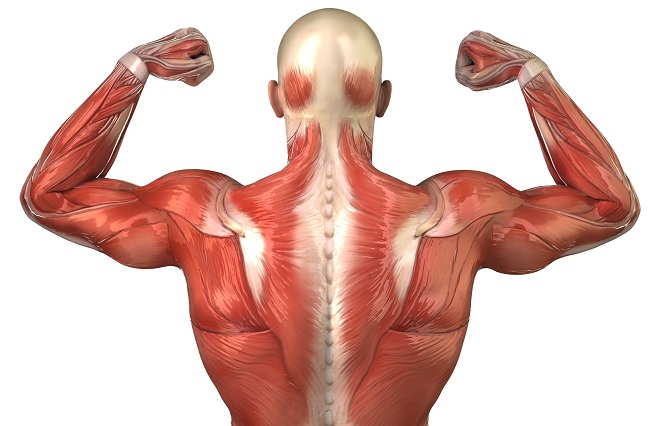
Strength Training
Enhance muscle strength and endurance with TENS

Re-innervation of Muscles
Use TENS to promote muscle re-innervation and recovery
Healing, Tissue Repair
Accelerate healing and tissue repair with TENS

Relaxation of Spasm
Use TENS to relax muscle spasms and reduce discomfort

Improving Mobility
Enhance mobility and range of motion with TENS
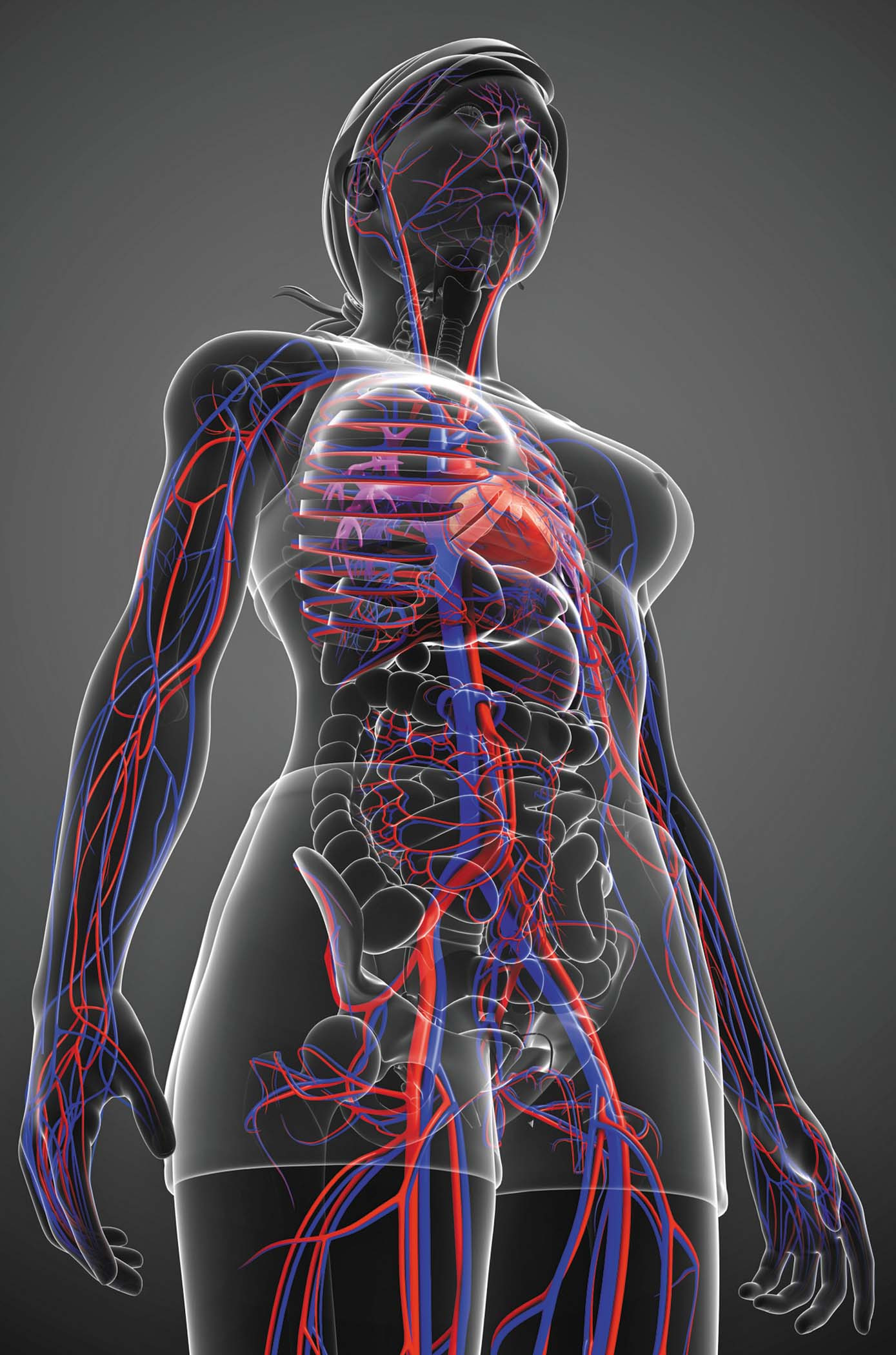
Edema Reduction
Use TENS to reduce edema and promote healthy circulation