
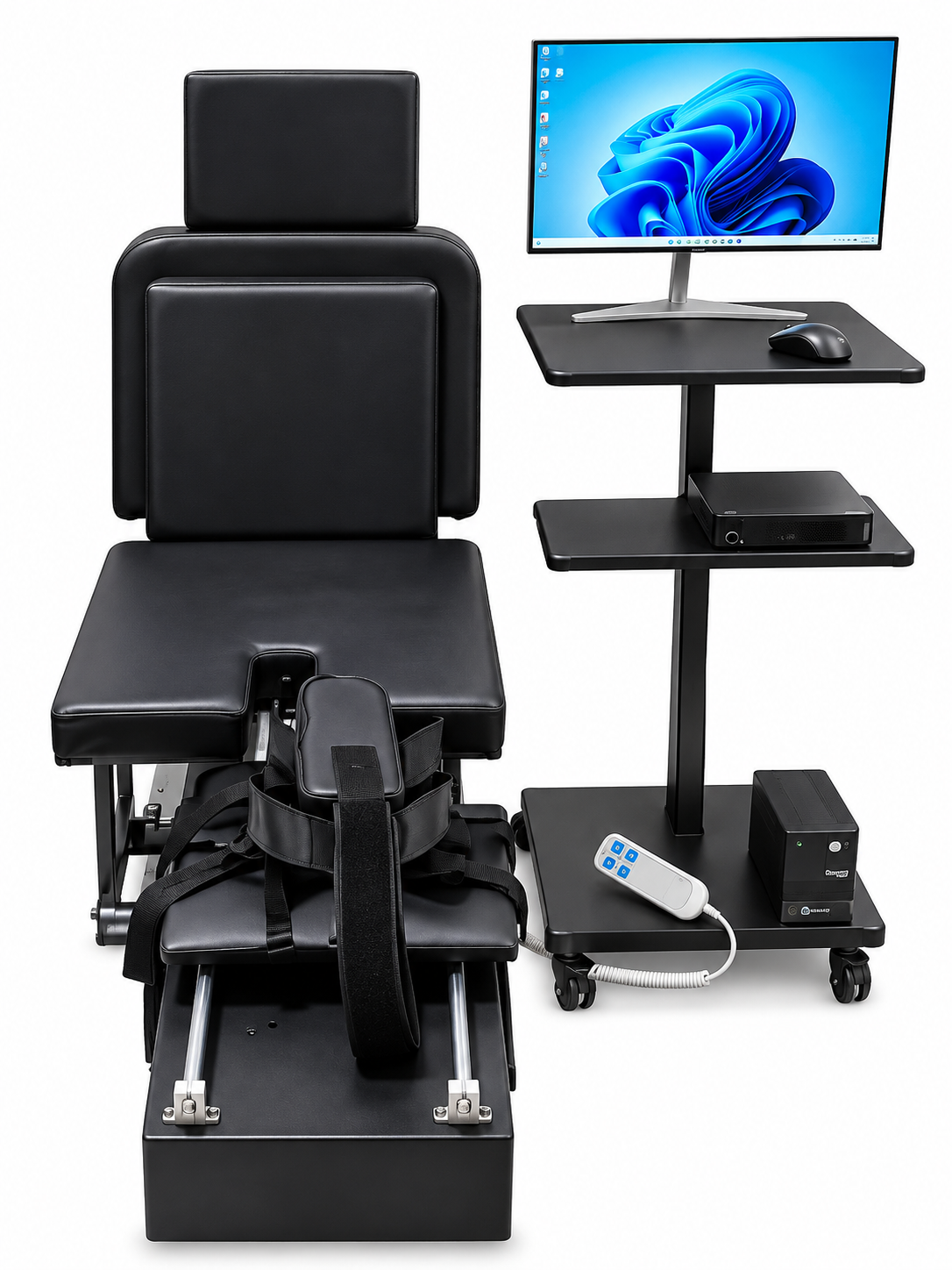
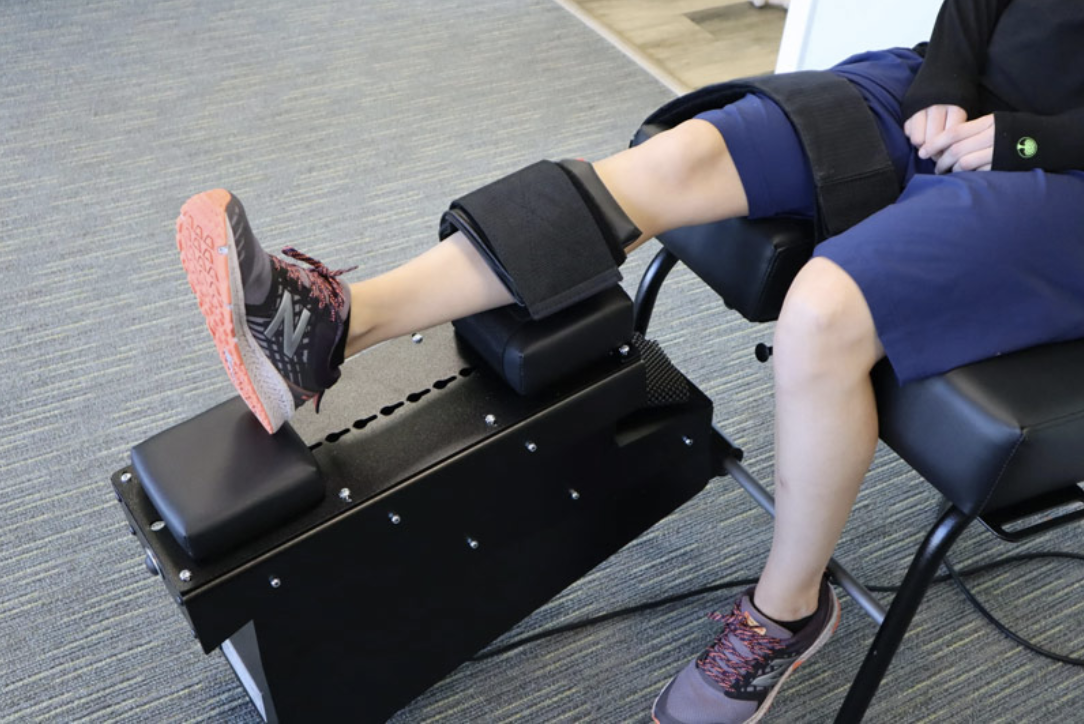
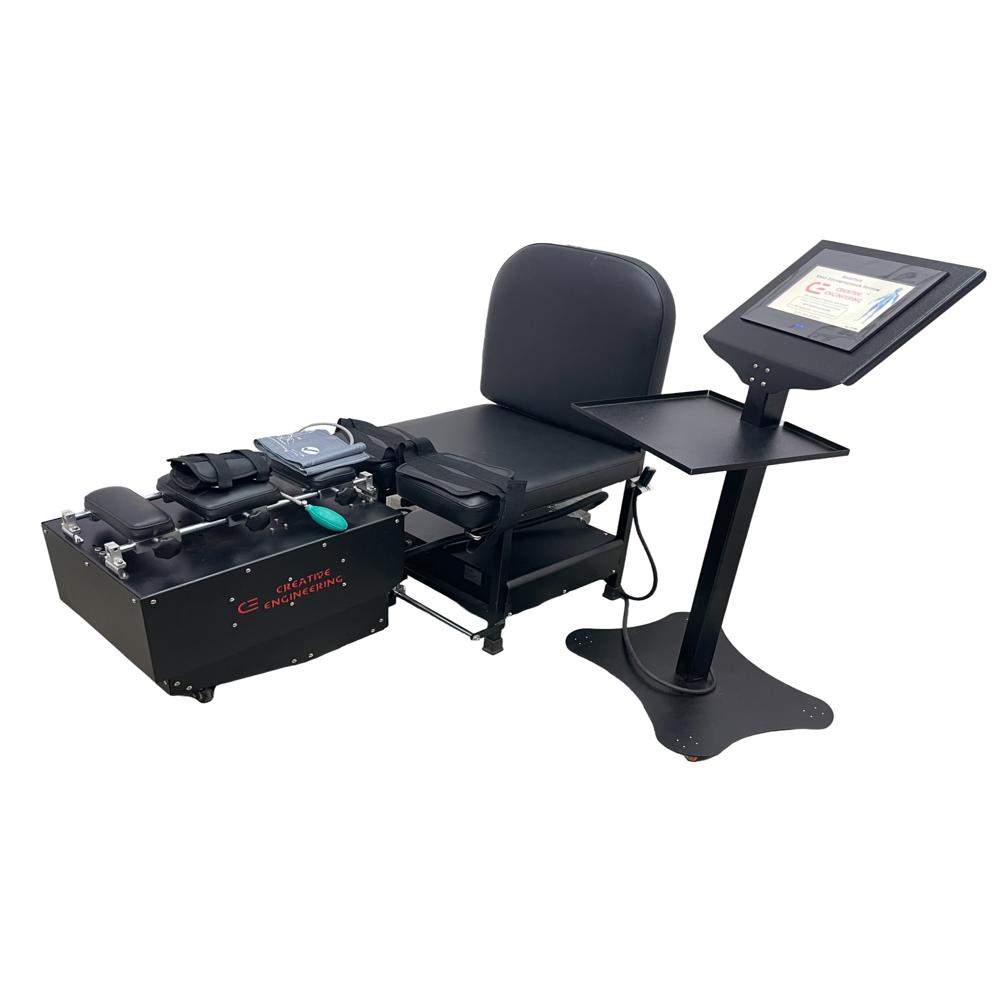
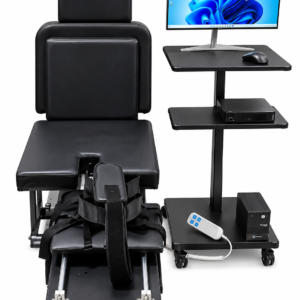
The Knee Decompression Machine is a specialized rehabilitation equipment category designed to support controlled knee joint decompression, traction-based therapy, and selected knee rehabilitation applications. It is intended for professional healthcare environments where patients require structured support for knee joint mobility, comfort, and rehabilitation under appropriate clinical supervision.
The knee is one of the major weight-bearing joints in the human body. It plays an important role in walking, standing, climbing stairs, sitting, and performing everyday activities. The joint is formed by the femur, tibia, and patella, supported by ligaments, muscles, tendons, cartilage, and other soft tissues. Repeated physical stress, injuries, age-related changes, and certain musculoskeletal conditions can affect knee function.
A Knee Decompression Machine may be considered as part of a selected physiotherapy or rehabilitation programme when controlled traction or unloading is appropriate for the patient’s condition. The intended mechanism and treatment approach depend on the equipment design. Some devices use positioning and controlled mechanical forces, while others may provide different forms of supported knee unloading or movement.
Healthcare professionals should assess the patient’s condition and confirm that the selected machine is suitable before starting treatment. The device should be used according to its verified specifications, intended purpose, and manufacturer instructions.
PHYSIOMODALITIES ENTERPRISES provides physiotherapy, rehabilitation, electrotherapy, and healthcare equipment for professional clinical environments. Facilities considering a Knee Decompression Machine should evaluate its design, operating mechanism, safety features, and suitability for their rehabilitation requirements.
What Is a Knee Decompression Machine?
A Knee Decompression Machine is a rehabilitation device designed to support controlled decompression or unloading of the knee joint, depending on its specific construction and operating principle.
Knee decompression generally refers to an approach that aims to reduce compressive loading across the joint under controlled conditions. The method may involve positioning, mechanical traction, or supported unloading. The exact process varies between equipment types.
The knee joint experiences forces during daily activities. Walking, running, climbing stairs, squatting, and standing can place different levels of load on the joint. In selected rehabilitation situations, a healthcare professional may consider controlled unloading as one part of a broader treatment programme.
A Knee Decompression Machine should not be considered a universal treatment for knee pain or joint disorders. Its suitability depends on the patient’s diagnosis, symptoms, mobility, medical history, and the equipment’s intended application.
Importance of Knee Joint Decompression in Rehabilitation
The knee joint supports body weight and allows essential lower-limb movements. It also helps maintain balance, stability, and functional mobility.
When the knee is affected by injury, joint irritation, stiffness, or other musculoskeletal problems, everyday activities may become difficult. Rehabilitation programmes may include therapeutic exercises, mobility training, strengthening, functional movement practice, and selected supportive treatment techniques.
Knee decompression may be considered in certain cases where a controlled reduction in joint loading is appropriate. It should be selected carefully and combined with suitable rehabilitation interventions when clinically indicated.
1. Supporting Controlled Joint Unloading
Controlled unloading may help reduce the amount of weight-bearing force placed through the knee during selected treatment activities. The amount and method of unloading depend on the device and clinical protocol.
2. Supporting Knee Rehabilitation
A decompression device may form part of a structured rehabilitation programme when the treating professional considers it suitable.
3. Supporting Patient Positioning
Depending on the design, knee rehabilitation equipment may help position and support the lower limb during a supervised session.
4. Complementing Therapeutic Exercises
Decompression-based approaches may be combined with prescribed mobility, strengthening, and functional exercises where appropriate.
5. Supporting Professional Treatment Planning
A suitable device can provide an additional treatment option for physiotherapists and rehabilitation professionals managing selected knee conditions.
Working Principle of a Knee Decompression Machine
The working principle depends on the machine’s actual mechanical design. A decompression system may use controlled positioning, traction, or a supported unloading mechanism to modify the forces acting on the knee.
In general, the treatment process may involve the following stages:
1. Patient Assessment
The physiotherapist evaluates the patient’s symptoms, joint condition, range of motion, stability, medical history, and treatment goals.
2. Appropriate Positioning
The patient is positioned according to the machine’s design and manufacturer instructions. The knee and lower limb should be supported correctly.
3. Device Adjustment
The healthcare professional checks the machine’s available settings and adjusts them according to the patient’s needs and the approved treatment protocol.
4. Controlled Decompression or Unloading
The machine applies its intended mechanical or positioning mechanism. The treatment should remain within the device’s operating limits and the patient’s clinical tolerance.
5. Patient Monitoring
The physiotherapist monitors comfort, symptoms, positioning, and response throughout the session.
6. Post-Treatment Assessment
The patient’s response is reviewed after the session. Further treatment or exercise recommendations are decided according to clinical assessment.
Important: Exact traction force, adjustment range, movement pattern, treatment duration, and operating mechanism cannot be assumed from the product name alone. These details must be verified from the specific model’s technical documentation.
Common Knee Conditions Where Decompression-Based Approaches May Be Considered
A Knee Decompression Machine may be considered in selected rehabilitation settings, but it is not appropriate for every knee condition. The treating professional must decide whether the equipment’s intended mechanism is suitable.
1. Knee Osteoarthritis
Knee osteoarthritis is a joint condition involving changes to cartilage and other joint structures. It may cause pain, stiffness, and difficulty performing everyday activities.
Management often includes education, therapeutic exercise, strengthening, weight management where appropriate, and other treatments based on individual assessment. A decompression-based device may be considered only when its mechanism is appropriate and supported by the treatment plan.
2. Knee Joint Stiffness
Knee stiffness can develop following injury, surgery, reduced activity, or certain joint conditions. Rehabilitation may involve carefully selected mobility exercises and movement training.
A decompression device should only be used if its intended operation is appropriate for the patient’s stage of recovery and joint condition.
3. Post-Injury Rehabilitation
Some patients require structured rehabilitation after knee injuries. Treatment may include progressive strengthening, balance training, mobility exercises, and functional movement practice.
A decompression system may be considered as an additional supportive option in selected cases, subject to medical clearance and professional supervision.
4. Post-Surgical Rehabilitation
Rehabilitation following knee surgery must follow the surgeon’s instructions and the prescribed recovery protocol. Not every decompression or traction technique is suitable after surgery.
The treating team should confirm whether the device can be used safely and at what stage of recovery.
5. Selected Knee Pain Management Programmes
Knee pain can have different causes, including ligament injuries, meniscus problems, osteoarthritis, muscle weakness, and other musculoskeletal conditions.
The cause of pain should be assessed before selecting a treatment method. Decompression equipment should not be used as a substitute for diagnosis or appropriate medical care.
Knee Decompression Machine in Physiotherapy Clinics
Physiotherapy clinics provide assessment and rehabilitation services for people with knee pain, movement limitations, injuries, and post-operative recovery needs.
A Knee Decompression Machine may be considered as part of the clinic’s equipment range if its intended function matches the services provided by the facility.
Before incorporating the device into treatment, physiotherapists should understand:
- The machine’s operating principle
- Its intended clinical application
- Patient positioning requirements
- Available adjustment settings
- Contraindications and precautions
- Manufacturer operating instructions
- Cleaning and maintenance requirements
- Staff training requirements
The device should be incorporated into an individualized treatment plan rather than used as a standalone solution for every patient.
Potential Applications in Knee Joint Rehabilitation
The term knee rehabilitation covers several treatment approaches. A decompression machine may support selected programmes depending on the model’s design and clinical suitability.
Controlled Knee Unloading
Where supported by the device’s design, controlled unloading may help modify the load placed through the knee during a supervised session.
Supportive Rehabilitation Positioning
Some equipment designs may provide a structured position for the lower limb during a treatment session.
Complementary Physiotherapy Treatment
A suitable decompression system may be included alongside other prescribed physiotherapy interventions.
Individualized Treatment Planning
Treatment settings and session structure should be determined according to the patient’s condition, response, and professional assessment.
Benefits of Using Appropriate Knee Rehabilitation Equipment
The benefits of rehabilitation equipment depend on its actual function, design, and correct use. A Knee Decompression Machine may provide the following practical advantages when it is suitable for the intended clinical application.
1. Supports Structured Treatment Sessions
The machine may provide a dedicated setup for carrying out a defined decompression or unloading procedure.
2. Offers an Additional Rehabilitation Option
It may add another treatment option to the range of equipment available in a physiotherapy or rehabilitation facility.
3. Supports Professional Patient Positioning
Depending on the model, the equipment may help maintain a specified treatment position during supervised use.
4. Can Complement Exercise-Based Rehabilitation
Where appropriate, decompression-based treatment may be included alongside strengthening, mobility, and functional exercises.
5. Suitable for Professional Healthcare Environments
A properly selected device may be considered for physiotherapy clinics, hospitals, and specialized rehabilitation facilities.
These are potential equipment-related advantages, not guaranteed patient outcomes. Results depend on the underlying condition, clinical management, and suitability of the treatment.
Knee Decompression Machine vs Conventional Knee Physiotherapy
Knee decompression equipment and conventional physiotherapy have different roles. A decompression machine may provide a particular mechanical or positioning-based intervention, while conventional physiotherapy often includes active exercises and functional rehabilitation.
| Comparison | Knee Decompression Machine | Conventional Physiotherapy |
|---|---|---|
| Main approach | Device-based decompression or unloading, depending on model | Exercise-based and other clinician-selected interventions |
| Patient activity | May involve supported positioning or controlled treatment | Often involves active patient participation |
| Treatment selection | Depends on device design and clinical suitability | Depends on assessment and rehabilitation goals |
| Application | Selected knee rehabilitation situations | Broad range of knee conditions |
| Supervision | Professional supervision required | Professional guidance and supervision as needed |
These approaches are not necessarily alternatives. A physiotherapist may use different interventions together when clinically appropriate.
Who Can Use a Knee Decompression Machine?
A Knee Decompression Machine is intended for use in appropriate professional healthcare environments. Patient suitability must be evaluated by a qualified healthcare professional.
Potential facility types include:
- Physiotherapy Clinics
- Orthopedic Hospitals
- Rehabilitation Centres
- Sports Rehabilitation Facilities
- Multispecialty Hospitals
- Physical Therapy Departments
- Post-Operative Rehabilitation Units
- Medical Colleges
- Professional Healthcare Institutions
The machine should be operated by trained personnel who understand the equipment’s intended use and safety requirements.
Safety Guidelines for Knee Decompression Treatment
Patient safety is essential when using any mechanical rehabilitation device. Before starting treatment, the professional should review the patient’s medical history, current symptoms, and relevant contraindications.
Important Precautions
- Assess the patient’s knee condition before treatment.
- Confirm that decompression is appropriate for the specific diagnosis.
- Follow the manufacturer’s positioning instructions.
- Use only the adjustments and settings supported by the model.
- Avoid excessive or uncomfortable mechanical force.
- Monitor the patient throughout the session.
- Stop treatment if significant pain, numbness, unusual swelling, or other concerning symptoms occur.
- Maintain the equipment according to manufacturer instructions.
- Keep the machine clean and inspect its mechanical components regularly.
When Extra Caution Is Required
Professional assessment is particularly important in patients with:
- Recent knee surgery
- Suspected or confirmed fractures
- Acute ligament or soft-tissue injuries
- Significant joint instability
- Severe swelling or inflammation
- Suspected deep vein thrombosis
- Skin injuries around the treatment area
- Severe osteoporosis or other bone fragility
- Unexplained or worsening knee pain
This is not a complete list of contraindications. The device manual and the treating clinician’s assessment should guide the decision to use the equipment.
How to Choose the Right Knee Decompression Machine
Selecting the right Knee Decompression Machine requires more than comparing product names. Buyers should evaluate the machine’s design, specifications, intended use, safety, and after-sales support.
1. Confirm the Operating Mechanism
Understand whether the machine uses traction, mechanical unloading, positioning, or another mechanism. Do not assume that every product marketed as a knee decompression machine works in the same way.
2. Check Patient Positioning
Review how the patient is positioned and supported. Confirm that the design is suitable for the intended patient population and treatment environment.
3. Review Adjustment Options
Check the actual adjustment features available on the model. These may include positioning or mechanical settings, depending on its design.
4. Check the Construction Quality
Review the frame, support structure, joints, moving parts, and overall build quality. The machine should be suitable for its intended clinical environment.
5. Review Safety Features
Confirm the available safety mechanisms, operating limits, and emergency procedures described in the manufacturer documentation.
6. Check Size and Space Requirements
Evaluate the machine’s dimensions, installation requirements, patient access, and available space in the clinic.
7. Confirm Training and Maintenance
Ask about installation guidance, staff training, maintenance schedules, spare parts, and technical support.
8. Verify Warranty and Product Documentation
Review the warranty, user manual, technical specifications, and applicable product documentation before purchasing.
Why Choose PHYSIOMODALITIES ENTERPRISES?
PHYSIOMODALITIES ENTERPRISES is involved in the supply of physiotherapy, rehabilitation, electrotherapy, orthopedic, and healthcare equipment for professional healthcare environments.
For facilities exploring a Knee Decompression Machine, choosing equipment should involve careful consideration of the intended application, operating mechanism, technical specifications, and patient safety requirements.
PHYSIOMODALITIES ENTERPRISES aims to support clinics, hospitals, rehabilitation centres, and healthcare professionals in exploring equipment options suited to their operational needs.
Before purchasing a specific model, buyers should confirm its verified specifications, intended use, available accessories, warranty coverage, and service support.
Conclusion
The Knee Decompression Machine is a specialized category of rehabilitation equipment designed to support selected knee joint decompression, traction-based, or unloading applications, depending on the model.
The knee plays an essential role in daily movement and weight-bearing activities. When a patient experiences knee pain, stiffness, injury, or reduced mobility, a structured rehabilitation programme may be recommended after proper clinical assessment.
A suitable decompression device may be considered as one part of an individualized physiotherapy programme. It should be selected according to the equipment’s actual working mechanism, patient requirements, and professional treatment objectives.
For physiotherapy clinics, hospitals, orthopedic departments, and rehabilitation centres, it is important to evaluate the machine’s construction, positioning system, adjustment options, safety instructions, and after-sales support before purchasing.
PHYSIOMODALITIES ENTERPRISES offers professional healthcare and rehabilitation equipment options for facilities looking to develop their clinical equipment range. Always verify the specifications and intended use of the particular Knee Decompression Machine before making a purchase.
Frequently Asked Questions (FAQs)
1. What is a Knee Decompression Machine?
A Knee Decompression Machine is rehabilitation equipment designed to support controlled knee joint decompression or unloading, depending on its specific operating mechanism and design.
2. What is the purpose of a Knee Decompression Machine?
Its purpose is to provide a specific decompression, traction-based, or unloading approach for selected knee rehabilitation applications when considered appropriate by a healthcare professional.
3. How does a Knee Decompression Machine work?
The working mechanism depends on the model. It may use controlled mechanical traction, supported positioning, or another unloading method. The manufacturer’s documentation should be checked for the exact operating principle.
4. Is a Knee Decompression Machine used in physiotherapy clinics?
It may be used in suitable physiotherapy and rehabilitation facilities when its intended application matches the clinic’s treatment requirements.
5. Can a Knee Decompression Machine help with knee osteoarthritis?
It may be considered in selected treatment plans, but it is not a universal treatment for knee osteoarthritis. Management should be based on individual assessment and established clinical recommendations.


Reviews
There are no reviews yet.