
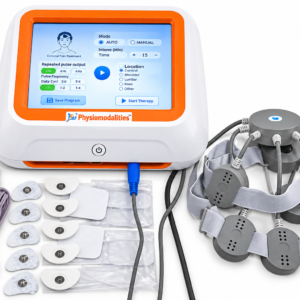
Advanced RTMS Brain Stimulation Therapy Machine
The RTMS Brain Stimulation Therapy Machine – Repetitive Transcranial Magnetic Stimulation is a professional neurostimulation system designed for specialized brain stimulation applications in clinical and research environments. RTMS uses repetitive magnetic pulses delivered through a treatment coil positioned near the scalp to stimulate targeted areas of the brain.
The RTMS Brain Stimulation Therapy Machine is designed for use by appropriately trained healthcare professionals and specialists working in neurology, psychiatry, neuroscience, and rehabilitation. It provides a non-invasive approach to brain stimulation and may be considered within specific clinical protocols depending on the patient’s condition and treatment objectives.
Repetitive Transcranial Magnetic Stimulation is a specialized form of transcranial magnetic stimulation (TMS). It uses a series of magnetic pulses to induce electrical activity in targeted brain tissue. The stimulation protocol, treatment location, pulse frequency, intensity, and session duration depend on the clinical indication and the machine’s verified capabilities.
For professional facilities looking for an RTMS Brain Stimulation Therapy Machine, selecting an appropriate system requires consideration of treatment requirements, technical specifications, operator training, safety features, and manufacturer support.
Key Features of RTMS Brain Stimulation Therapy Machine
- Repetitive Transcranial Magnetic Stimulation Technology
- Non-Invasive Magnetic Brain Stimulation
- Electromagnetic Pulse-Based Stimulation
- Targeted Brain Stimulation Applications
- Neuromodulation Technology
- Professional Neurostimulation System
- Designed for Clinical and Research Environments
- Specialized Treatment Coil Configuration
- Controlled Stimulation Protocols
- Professional Clinical Operation
Exact pulse frequency, magnetic field strength, coil configuration, cooling system, software functions, treatment programs, and other specifications should be confirmed from the particular model’s datasheet.
What Is Repetitive Transcranial Magnetic Stimulation?
Repetitive Transcranial Magnetic Stimulation (RTMS) is a non-invasive brain stimulation technique that uses repeated magnetic pulses to influence activity in selected areas of the brain.
During treatment, a magnetic coil is positioned near the patient’s head. The coil produces brief magnetic pulses that pass through the scalp and skull and induce small electrical currents in the targeted brain tissue.
These induced currents can influence neuronal activity. Depending on the stimulation protocol, RTMS may be used to increase or decrease activity in particular brain networks.
RTMS is a specialized neuromodulation technique. Its clinical use depends on the indication, approved protocol, patient assessment, and professional supervision.
How Does the RTMS Brain Stimulation Therapy Machine Work?
The RTMS system works through electromagnetic induction. It generates magnetic pulses through a dedicated stimulation coil, which is positioned over a selected area of the patient’s head.
The general process involves the following stages:
1. Patient Assessment
A qualified specialist evaluates the patient’s medical history, clinical condition, treatment objectives, and suitability for brain stimulation.
2. Target Area Selection
The healthcare professional identifies the appropriate brain region according to the selected clinical protocol.
3. Coil Positioning
The stimulation coil is positioned near the scalp over the intended treatment area. Correct placement is important for delivering stimulation according to the prescribed protocol.
4. Magnetic Pulse Delivery
The machine delivers repetitive magnetic pulses through the coil. These pulses induce electrical currents in the targeted brain tissue.
5. Controlled Treatment Session
The operator manages the treatment session according to the selected protocol, manufacturer instructions, and patient response.
6. Monitoring and Follow-Up
The patient is monitored during and after treatment. Further sessions, when appropriate, are determined by the treating specialist.
Working Principle of RTMS Technology
RTMS operates on the principle of electromagnetic induction.
When electrical current flows through the stimulation coil, it generates a magnetic field. Changes in this magnetic field induce electrical currents in nearby conductive tissue, including targeted areas of the brain.
The induced electrical activity can influence neuronal networks. The effects depend on several factors, including:
- Stimulation Frequency
- Magnetic Field Intensity
- Pulse Pattern
- Coil Design
- Coil Position
- Treatment Duration
- Selected Brain Target
- Patient-Specific Clinical Factors
The exact stimulation parameters must be selected by a qualified specialist using an appropriate clinical protocol.
RTMS for Neuromodulation Applications
Neuromodulation refers to the process of influencing nervous-system activity through targeted stimulation techniques.
RTMS is used in selected clinical applications because repetitive magnetic pulses can influence activity in specific brain networks.
The effects of stimulation may vary depending on the brain region, stimulation protocol, treatment indication, and individual patient characteristics.
RTMS is not a universal treatment for neurological or psychiatric conditions. Its suitability should be determined through specialist assessment and current clinical guidance.
Clinical Applications of RTMS
The RTMS Brain Stimulation Therapy Machine may be considered for selected professional clinical applications. The strength of clinical evidence and regulatory approval varies by indication and treatment protocol.
1. Depression Treatment
Certain RTMS protocols are used clinically for specific forms of depression, particularly when conventional treatment has not provided sufficient improvement or when an approved specialist-led protocol is appropriate.
Treatment decisions should be made by a qualified psychiatrist or specialist after reviewing the patient’s medical history and suitability.
2. Neurological Rehabilitation Research
RTMS is studied in neurological rehabilitation for its potential influence on brain networks involved in movement, sensory processing, and other neurological functions.
Its use in rehabilitation depends on the condition, evidence supporting the protocol, and applicable clinical guidance.
3. Stroke Rehabilitation Research
RTMS has been investigated as an adjunct to rehabilitation after stroke. Research has explored whether targeted stimulation may influence motor-related brain networks when combined with conventional rehabilitation.
It should not be presented as a replacement for established stroke rehabilitation or as a guaranteed method of restoring movement.
4. Motor Function Research
RTMS is used in research involving motor cortex activity and neural pathways associated with movement.
Specialists may study its role alongside structured rehabilitation interventions, depending on the clinical objective and evidence available.
5. Neurological and Psychiatric Research
RTMS is also investigated in selected neurological and psychiatric conditions. However, the evidence, approved indications, and clinical recommendations differ between conditions.
A specialist should review the current evidence and applicable regulatory guidance before considering treatment.
RTMS vs tDCS: Understanding the Difference
RTMS and tDCS are both non-invasive brain stimulation techniques, but they use different stimulation methods.
| Feature | RTMS | tDCS |
|---|---|---|
| Full Form | Repetitive Transcranial Magnetic Stimulation | Transcranial Direct Current Stimulation |
| Stimulation Method | Magnetic pulses | Low-intensity direct current |
| Main Technology | Electromagnetic induction | Electrical stimulation |
| Application | Targeted brain stimulation | Brain neuromodulation |
| Equipment | Magnetic stimulation coil | Scalp electrodes |
| Clinical Use | Selected specialist-led protocols | Selected clinical and research protocols |
Both technologies require appropriate patient screening, trained operators, and adherence to their respective safety procedures.
RTMS vs TENS and EMS
RTMS should not be confused with TENS or EMS equipment.
- RTMS: Uses magnetic pulses to stimulate targeted brain tissue.
- TENS: Uses electrical stimulation through surface electrodes, commonly for selected pain-management applications.
- EMS: Uses electrical stimulation to activate peripheral muscles.
These technologies have different mechanisms, intended applications, treatment procedures, and safety requirements. They are not interchangeable.
Benefits and Features of RTMS Technology
Non-Invasive Stimulation Approach
RTMS delivers magnetic stimulation through a coil positioned near the scalp without requiring surgical implantation of electrodes.
Targeted Brain Stimulation
The coil is positioned over a selected brain region according to the treatment protocol.
Repetitive Magnetic Pulse Delivery
The system delivers repeated magnetic pulses according to the selected stimulation settings.
Neuromodulation Applications
RTMS can influence activity in selected neural networks and is used in specific clinical protocols and research applications.
Specialist-Led Treatment
The technology is intended for use by appropriately trained professionals who can assess patients, select suitable protocols, and monitor treatment.
Importance of Treatment Protocols
RTMS treatment requires careful selection of stimulation parameters. The protocol should be based on the clinical indication, patient assessment, device capabilities, and current professional guidance.
Important treatment considerations include:
- Patient Screening
- Treatment Indication
- Stimulation Frequency
- Stimulation Intensity
- Coil Positioning
- Pulse Pattern
- Session Duration
- Treatment Schedule
- Patient Monitoring
- Follow-Up Assessment
Treatment settings should never be selected only on the basis of general recommendations or another patient’s protocol.
Safety Considerations for RTMS Treatment
RTMS is a specialized medical stimulation procedure and should only be performed by appropriately trained professionals using the manufacturer’s instructions and applicable clinical protocols.
Possible side effects include:
- Headache
- Scalp Discomfort
- Temporary Facial Muscle Twitching
- Lightheadedness or Discomfort
- Temporary Hearing-Related Discomfort
A seizure is an uncommon but serious potential complication. Patients should be screened for relevant risk factors before treatment.
Important Safety Precautions
- Review the patient’s medical history before treatment.
- Assess seizure risk and other relevant contraindications.
- Check for implanted electronic devices and metallic objects in or near the head.
- Follow the manufacturer’s coil-positioning and operating instructions.
- Use appropriate hearing protection according to the treatment protocol.
- Monitor the patient during the session.
- Ensure that operators are properly trained.
- Keep the treatment environment controlled and suitable for clinical operation.
The treating specialist should determine whether RTMS is appropriate for an individual patient.
Suitable For
An RTMS Brain Stimulation Therapy Machine may be considered for appropriately equipped professional facilities, including:
- Neurology Hospitals
- Psychiatry Departments
- Neuroscience Research Centres
- Medical Colleges
- Teaching Hospitals
- Specialized Rehabilitation Centres
- Neurorehabilitation Facilities
- Clinical Research Institutions
- Specialist Mental Healthcare Facilities
- Professional Healthcare Institutions
The suitability of a particular model depends on its intended use, technical specifications, regulatory status, and the facility’s clinical requirements.
How to Select an RTMS Brain Stimulation Therapy Machine
Before purchasing an RTMS system, healthcare facilities should review its technical specifications, intended applications, safety provisions, and service support.
1. Magnetic Field Specifications
Review the available magnetic field output and operating specifications. Confirm that the system is appropriate for the intended clinical protocols.
2. Stimulation Frequency
Check the supported stimulation frequencies and pulse patterns. These should match the requirements of the intended treatment applications.
3. Stimulation Coil
Review the coil type, design, compatibility, positioning method, and replacement availability.
4. Treatment Software
Check the available software functions, protocol management features, treatment records, and operator controls.
5. Cooling System
For systems that require coil cooling, confirm the cooling method, operating requirements, and maintenance procedure.
6. Safety Features
Review emergency stop functions, system monitoring, safety controls, and manufacturer-recommended precautions.
7. Training and Technical Support
Confirm whether the supplier provides installation guidance, operator training, maintenance support, and access to technical assistance.
8. Warranty and Service
Review warranty coverage, service terms, spare-part availability, and the manufacturer’s support arrangements.
Why Choose PHYSIOMODALITIES ENTERPRISES?
PHYSIOMODALITIES ENTERPRISES provides professional physiotherapy, electrotherapy, rehabilitation, orthopedic, and healthcare equipment for clinical and institutional environments.
When considering an RTMS Brain Stimulation Therapy Machine, healthcare facilities should select equipment based on verified technical specifications, intended applications, safety requirements, and professional operating needs.
PHYSIOMODALITIES ENTERPRISES can help healthcare facilities explore suitable equipment options for their clinical and rehabilitation requirements. Product specifications, available configurations, warranty, and support should be confirmed before purchase.
Conclusion
The RTMS Brain Stimulation Therapy Machine – Repetitive Transcranial Magnetic Stimulation is a specialized neurostimulation system designed for non-invasive magnetic brain stimulation applications.
Using repetitive magnetic pulses, RTMS can influence activity in selected brain networks and is used in certain specialist-led clinical protocols, including specific depression treatments. It is also an area of ongoing research in neurological rehabilitation and other applications.
For hospitals, psychiatry departments, neurology facilities, neuroscience institutions, and specialized rehabilitation centres, selecting an RTMS system requires careful evaluation of its technical specifications, safety features, treatment protocols, operator training, and service support.
The machine should only be operated by appropriately trained professionals. Treatment suitability and parameters must be determined by qualified specialists according to patient assessment, current clinical guidance, regulatory requirements, and manufacturer instructions.
Frequently Asked Questions (FAQs)
1. What is an RTMS Brain Stimulation Therapy Machine?
An RTMS Brain Stimulation Therapy Machine is a neurostimulation system that delivers repetitive magnetic pulses through a coil positioned near the scalp to stimulate selected areas of the brain.
2. What does RTMS stand for?
RTMS stands for Repetitive Transcranial Magnetic Stimulation.
3. How does RTMS work?
RTMS uses electromagnetic induction. Magnetic pulses generated by a stimulation coil induce small electrical currents in targeted brain tissue, which can influence neuronal activity.
4. Is RTMS a non-invasive treatment?
Yes. RTMS is a non-invasive stimulation technique because the magnetic coil is positioned outside the head and does not require surgical implantation.
5. What is RTMS used for?
Certain RTMS protocols are used clinically for specific depression indications. Other neurological and psychiatric applications are being studied, and their evidence and approval status vary.
6. Is RTMS used in depression treatment?
Yes. Specific RTMS protocols are used in clinical practice for certain forms of depression under specialist supervision.
7. Is RTMS used in stroke rehabilitation?
RTMS has been investigated as an adjunct to stroke rehabilitation. Its role depends on the evidence for the particular protocol and the patient’s clinical requirements.
8. What is the difference between RTMS and tDCS?
RTMS uses repetitive magnetic pulses delivered through a coil, whereas tDCS uses low-intensity direct current delivered through scalp electrodes. Both are brain stimulation techniques, but their mechanisms and protocols differ.
9. Is RTMS the same as TENS?
No. RTMS is used for targeted brain stimulation, while TENS delivers electrical stimulation through surface electrodes for selected pain-management applications.
10. Who can operate an RTMS machine?
RTMS should be administered by appropriately trained healthcare professionals or specialists who understand patient screening, stimulation protocols, equipment operation, and safety procedures.


Reviews
There are no reviews yet.