
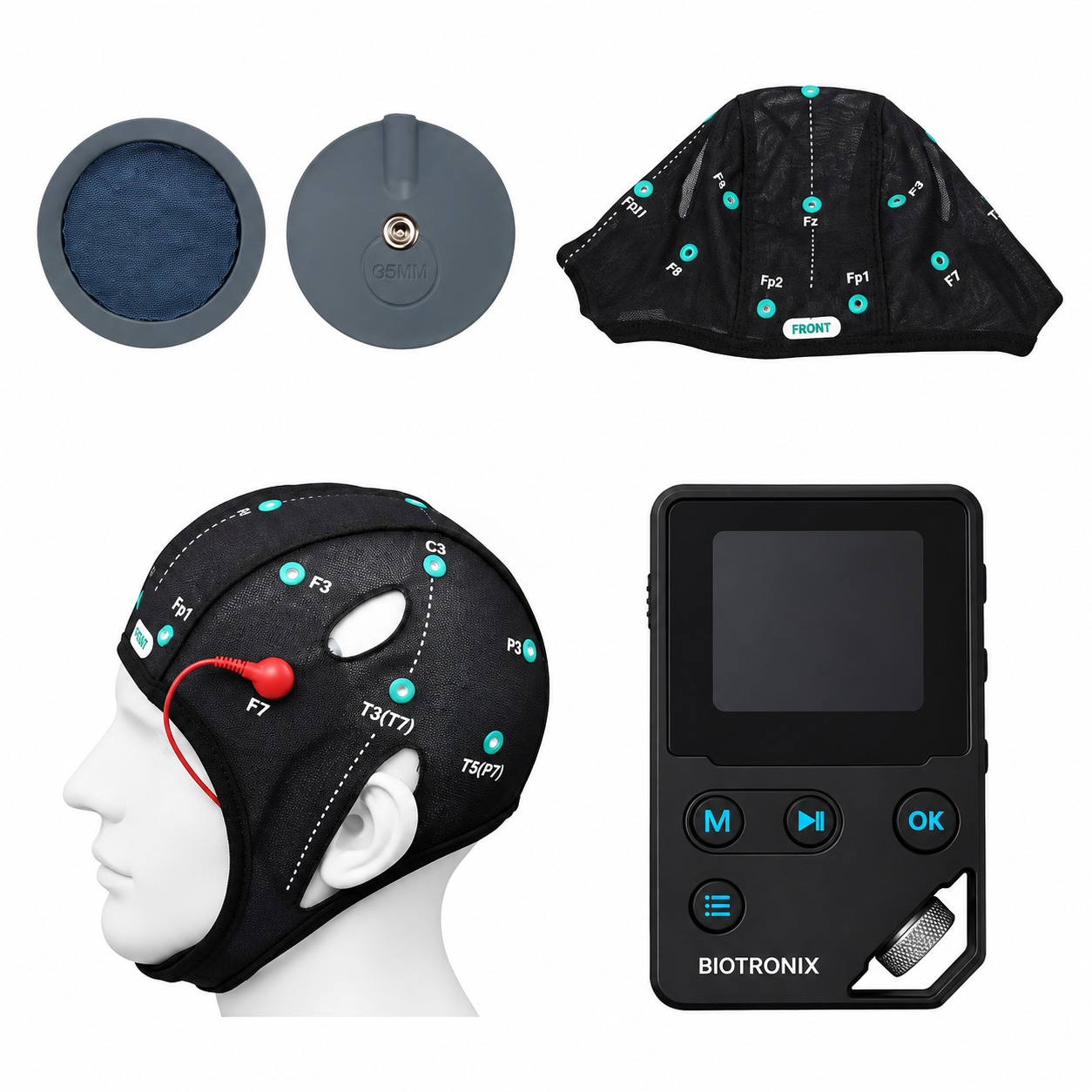
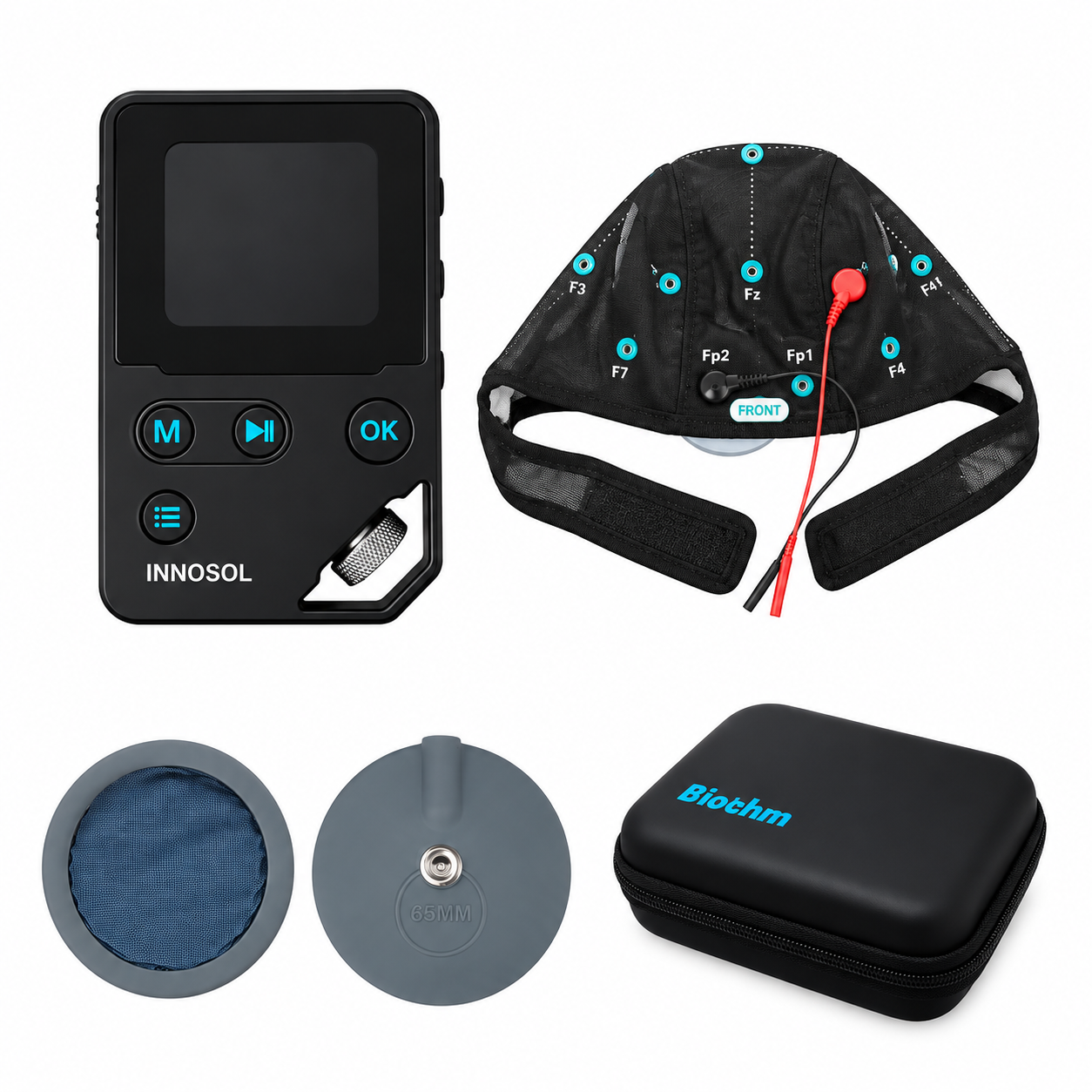

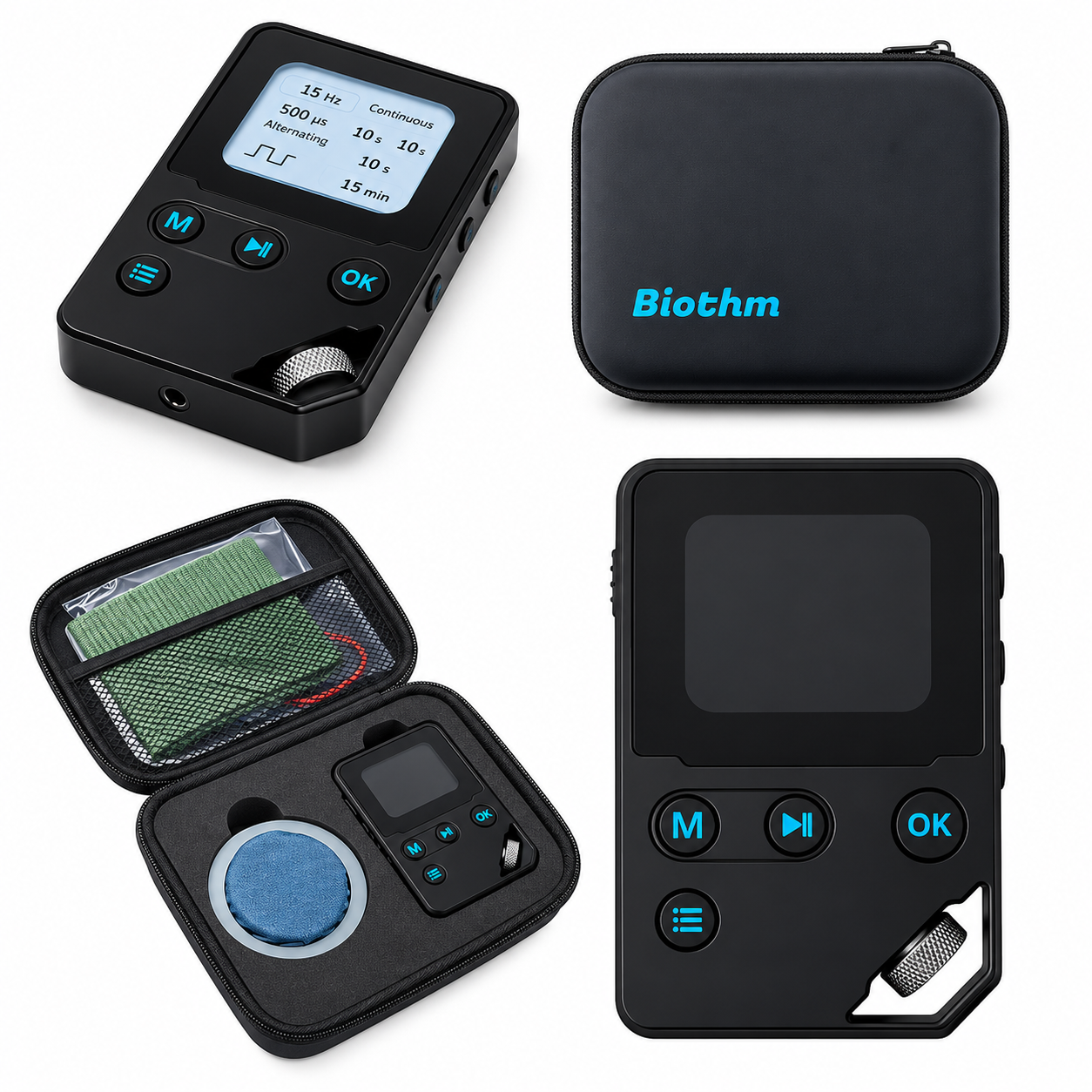
Advanced tDCS Brain Stimulation Device for Professional Neurological Rehabilitation
The tDCS Brain Stimulation Device – Transcranial Direct Current Stimulation Machine is a non-invasive brain stimulation system designed to deliver controlled, low-intensity direct electrical current through electrodes positioned on the scalp. It is used in selected clinical and research applications involving neuromodulation, neurological rehabilitation, and brain function studies.
Transcranial Direct Current Stimulation (tDCS) is a technique that applies a low-intensity direct current through appropriately positioned electrodes to influence the excitability of targeted brain regions. Depending on the stimulation protocol, electrode placement, and clinical objective, tDCS may be incorporated into selected neurological and neurorehabilitation programs.
The tDCS Brain Stimulation Device is intended for use by appropriately trained healthcare professionals and qualified researchers. It provides a dedicated platform for controlled brain stimulation applications in clinical, rehabilitation, and research environments.
Key Features of tDCS Brain Stimulation Device
- Transcranial Direct Current Stimulation (tDCS)
- Non-Invasive Brain Stimulation Technology
- Controlled Low-Intensity Direct Current
- Scalp Electrode-Based Stimulation
- Designed for Neuromodulation Applications
- Suitable for Selected Neurological Rehabilitation Programs
- Professional Clinical and Research Applications
- Designed for Use by Trained Professionals
Exact current range, number of channels, stimulation modes, display type, electrode accessories, safety controls, and programmable functions must be confirmed from the supplied model specifications.
What Is a tDCS Brain Stimulation Device?
A tDCS Brain Stimulation Device is an electronic system designed to deliver low-intensity direct current through electrodes placed at selected positions on the scalp.
The term tDCS stands for Transcranial Direct Current Stimulation. It is a non-invasive neuromodulation technique that aims to influence the electrical activity and excitability of targeted brain regions.
Unlike surgical brain stimulation procedures, tDCS does not require electrodes to be implanted inside the brain. Instead, current is delivered through electrodes positioned on the scalp using suitable conductive interfaces.
The effects of stimulation depend on several factors, including:
- Electrode placement
- Electrode size and configuration
- Current intensity
- Stimulation duration
- Individual patient characteristics
- The selected stimulation protocol
- The targeted brain region
The device should only be used according to an appropriate clinical or research protocol.
Understanding Transcranial Direct Current Stimulation
Transcranial Direct Current Stimulation is a form of non-invasive brain stimulation. It uses a low-intensity direct electrical current delivered through scalp electrodes.
The electrical current produces changes in the excitability of neural tissue rather than directly triggering the same type of electrical activity as conventional nerve stimulation.
tDCS is studied and used in selected clinical and research settings involving neurological and psychiatric conditions, cognitive functions, and rehabilitation-related applications. However, its effectiveness varies by condition and protocol, and it should not be presented as a guaranteed treatment or cure.
The technique is generally discussed in relation to two electrode polarities:
Anodal Stimulation
Anodal stimulation refers to the placement of the positive electrode at a selected stimulation site. Under commonly studied protocols, anodal stimulation may increase cortical excitability in certain conditions.
Cathodal Stimulation
Cathodal stimulation refers to the placement of the negative electrode at a selected stimulation site. Under commonly studied protocols, cathodal stimulation may reduce cortical excitability in certain conditions.
These effects are not universal. The response depends on electrode arrangement, current intensity, brain region, stimulation duration, and individual physiology. Polarity should always be selected according to the validated protocol.
How Does a tDCS Brain Stimulation Device Work?
The tDCS device delivers a controlled direct electrical current through electrodes placed on the scalp.
A general clinical workflow involves the following stages:
1. Patient Assessment
A qualified healthcare professional reviews the patient’s medical history, clinical condition, treatment objective, and suitability for tDCS.
2. Stimulation Protocol Selection
The professional selects an appropriate stimulation protocol based on the intended application, available evidence, and device instructions.
3. Electrode Preparation
Suitable electrodes and conductive interfaces are prepared according to the manufacturer’s instructions. Proper electrode contact is important for consistent current delivery and skin safety.
4. Electrode Positioning
The electrodes are positioned on the scalp according to the selected protocol. Placement should be determined by trained professionals using appropriate anatomical or validated positioning methods.
5. Stimulation Setup
The operator configures the available device settings within the permitted operating limits and checks electrode contact before starting stimulation.
6. Controlled Stimulation
The device delivers the selected low-intensity direct current according to the prescribed protocol.
7. Session Monitoring
The operator monitors patient comfort, electrode contact, device status, and any adverse effects during the session.
8. Post-Session Assessment
After stimulation, the electrode sites are inspected and the patient’s response is documented according to the facility’s clinical procedures.
The actual operating procedure must follow the manufacturer’s user manual and the applicable professional protocol.
Role of tDCS in Neuromodulation
Neuromodulation refers to techniques that influence the activity of the nervous system. tDCS is one of the non-invasive methods investigated for modulating cortical excitability.
The stimulation may influence how neurons respond to other inputs. Its effects are dependent on the stimulation configuration and the individual’s neurological condition.
The Transcranial Direct Current Stimulation Machine provides a platform for applying this technique under controlled conditions.
tDCS is not equivalent to conventional TENS, EMS, or muscle stimulation. These devices have different intended applications and stimulation targets.
tDCS for Neurological Rehabilitation
Neurological rehabilitation aims to support the recovery or improvement of movement, coordination, communication, cognition, and daily functional abilities following neurological conditions.
tDCS has been investigated as a possible adjunct to selected rehabilitation approaches. Research has explored its combination with physiotherapy, motor training, speech and language therapy, and cognitive rehabilitation.
Potential areas of clinical investigation include:
- Stroke Rehabilitation
- Motor Function Rehabilitation
- Selected Neurological Rehabilitation Programs
- Cognitive Rehabilitation Research
- Upper-Limb Rehabilitation Research
- Lower-Limb Rehabilitation Research
- Speech and Language Rehabilitation Research
- Neuroplasticity Research
The evidence is not equally strong for all conditions or applications. tDCS should only be used when supported by an appropriate clinical indication and professional protocol.
tDCS and Stroke Rehabilitation
Stroke can affect movement, coordination, speech, cognition, and everyday functional activities. Rehabilitation programs may include physiotherapy, occupational therapy, speech therapy, and other interventions depending on the patient’s needs.
tDCS has been investigated as an adjunct to selected post-stroke rehabilitation approaches, particularly in studies involving motor recovery and language-related outcomes.
The intended objective is to investigate whether modulation of cortical excitability can support the effects of structured rehabilitation training.
However, results vary across patients, stimulation protocols, and clinical outcomes. tDCS should not replace established stroke rehabilitation interventions or be used without specialist assessment.
tDCS for Motor Function Research
Motor function depends on coordinated activity across different areas of the nervous system. Researchers have investigated tDCS to understand how non-invasive stimulation may influence motor cortex excitability and motor learning.
Selected research applications include:
- Motor Cortex Stimulation Research
- Motor Learning Studies
- Movement Training Research
- Upper-Limb Motor Rehabilitation Research
- Lower-Limb Motor Rehabilitation Research
- Neurological Rehabilitation Studies
Any clinical use should be guided by an appropriately qualified professional and supported by a suitable protocol.
tDCS and Cognitive Rehabilitation Research
The brain plays an important role in memory, attention, learning, planning, and other cognitive functions.
tDCS has been studied in selected cognitive research areas to investigate whether stimulation can influence neural activity associated with these functions.
Research topics may include:
- Attention and Concentration
- Working Memory
- Cognitive Training
- Executive Function Research
- Learning and Neuroplasticity
- Cognitive Rehabilitation Studies
These are areas of investigation, not guaranteed clinical outcomes. The suitability of tDCS depends on the indication, research evidence, and stimulation protocol.
tDCS in Speech and Language Rehabilitation Research
Some research has investigated tDCS as an adjunct to speech and language therapy, particularly in neurological rehabilitation settings.
Areas of investigation include:
- Language Processing Research
- Speech Rehabilitation Research
- Aphasia Rehabilitation Studies
- Language Learning and Neuroplasticity
- Communication Rehabilitation Research
tDCS should not replace speech and language therapy. Any use must be determined by qualified clinicians and follow appropriate protocols.
Applications of tDCS Brain Stimulation Device
The tDCS Brain Stimulation Device may be considered for professional clinical or research applications involving:
- Non-Invasive Brain Stimulation
- Neuromodulation Research
- Selected Stroke Rehabilitation Research
- Motor Cortex Stimulation Studies
- Motor Learning Research
- Cognitive Function Research
- Neuroplasticity Research
- Selected Neurological Rehabilitation Programs
- Speech and Language Rehabilitation Research
- Brain Function Studies
The clinical appropriateness and evidence base vary by application. The device should not be marketed as a proven treatment for every condition listed.
Benefits of a Professional tDCS Brain Stimulation Device
1. Non-Invasive Stimulation Approach
tDCS delivers electrical current through scalp electrodes without requiring an implanted stimulation electrode.
2. Controlled Current Delivery
A suitable tDCS device is designed to deliver controlled direct current according to its specified operating parameters.
3. Supports Neuromodulation Applications
The technology provides a platform for selected neuromodulation protocols in professional clinical and research environments.
4. Research and Clinical Versatility
tDCS is investigated across several neurological, cognitive, and rehabilitation-related research areas.
5. Supports Combined Rehabilitation Research
In selected protocols, tDCS may be studied alongside structured rehabilitation activities such as motor training or speech therapy.
6. Dedicated Brain Stimulation Technology
Unlike conventional electrotherapy systems designed for peripheral nerves or muscles, a tDCS device is specifically intended for transcranial direct current stimulation.
tDCS vs TENS vs EMS
These technologies have different stimulation targets and applications.
| Feature | tDCS | TENS | EMS |
|---|---|---|---|
| Full form | Transcranial Direct Current Stimulation | Transcutaneous Electrical Nerve Stimulation | Electrical Muscle Stimulation |
| Main target | Brain cortex | Peripheral sensory nerves | Peripheral motor nerves and muscles |
| Electrode placement | Scalp | Skin over selected body regions | Skin over selected muscles |
| Main application | Neuromodulation | Selected pain-management applications | Muscle activation and exercise applications |
| Stimulation type | Low-intensity direct current | Pulsed electrical stimulation | Electrical pulses for muscle activation |
A tDCS device should not be considered interchangeable with TENS or EMS equipment.
Suitable For
The tDCS Brain Stimulation Device may be intended for use in appropriately equipped professional environments such as:
- Neurology Departments
- Neurorehabilitation Centres
- Hospitals
- Specialized Rehabilitation Centres
- Clinical Research Facilities
- Neuroscience Research Laboratories
- Academic Medical Institutions
- Professional Healthcare Facilities
Actual suitability depends on the model’s intended use, applicable regulatory requirements, and the qualifications of the operator.
Important Safety Guidelines for tDCS
tDCS is generally considered well tolerated when used within appropriately established protocols, but it is not risk-free. Improper electrode contact or unsuitable stimulation settings can cause skin irritation, burns, or other adverse effects.
Commonly reported temporary effects may include tingling, itching, mild burning sensations, headache, fatigue, or skin redness.
Important safety measures include:
- Use a device intended and appropriately certified for human application.
- Ensure that operators receive suitable training.
- Screen patients for relevant medical history and potential precautions.
- Inspect the scalp before electrode placement.
- Use the correct electrode and conductive interface.
- Maintain appropriate electrode contact.
- Follow the device’s current and duration limits.
- Monitor patient comfort during stimulation.
- Inspect the skin after each session.
- Record and report adverse effects.
- Follow the manufacturer’s instructions and applicable clinical guidelines.
Specialist assessment is particularly important for individuals with a history of seizures, significant neurological conditions, previous brain surgery or injury, implanted medical devices, scalp lesions, or other relevant medical concerns. These factors require individualized review rather than assumptions about suitability.
tDCS should not be self-administered or used for unverified treatment claims. Electrode placement, stimulation intensity, and session duration must be determined by a qualified professional.
Factors to Consider Before Buying a tDCS Machine
Before purchasing a Transcranial Direct Current Stimulation Machine, healthcare providers and research facilities should review the following:
Current Output Range
Confirm the device’s specified current range, accuracy, and permitted operating limits.
Stimulation Modes
Check the stimulation modes and polarity options actually supported by the model.
Electrode Configuration
Confirm the number and type of electrodes supported and the electrode accessories included with the supplied configuration.
Electrode Contact Monitoring
Review whether the device provides electrode-contact or impedance monitoring and how it handles poor contact.
Safety Controls
Check for appropriate current limits, ramp settings, interruption controls, and other safety functions specified by the manufacturer.
User Interface
Confirm the actual display and control configuration. Do not assume the device has a touchscreen, programmable presets, or data-storage functions unless these are listed in the specifications.
Clinical Documentation
Check whether the manufacturer supplies an operating manual, technical documentation, maintenance instructions, and relevant clinical-use guidance.
Warranty and Service Support
Confirm warranty terms, servicing arrangements, replacement electrode availability, and technical support.
Regulatory and Compliance Information
Verify the applicable medical-device documentation, certification, and intended-use claims before purchase.
Why Choose PHYSIOMODALITIES ENTERPRISES?
PHYSIOMODALITIES ENTERPRISES provides physiotherapy, electrotherapy, neurological rehabilitation, orthopedic, and healthcare equipment for professional clinical environments.
For healthcare facilities and research institutions exploring a tDCS Brain Stimulation Device, it is important to select equipment based on its verified technical specifications, intended use, safety controls, accessories, and manufacturer documentation.
Before purchasing, clinics, hospitals, and dealers should confirm the exact model configuration, current output range, electrode system, operating modes, warranty, and applicable regulatory documentation.
Conclusion
The tDCS Brain Stimulation Device – Transcranial Direct Current Stimulation Machine is a non-invasive neuromodulation system designed to deliver controlled low-intensity direct current through scalp electrodes.
It is used in selected clinical and research applications involving brain stimulation, neurological rehabilitation, motor function research, cognitive studies, and neuroplasticity investigations. Its suitability depends on the clinical indication, available evidence, stimulation protocol, and professional assessment.
For hospitals, neurology departments, neurorehabilitation centres, and research facilities, selecting an appropriate tDCS device requires careful evaluation of current output, electrode configuration, safety controls, technical documentation, and intended use.
The device should only be operated by appropriately trained professionals according to manufacturer instructions, clinical guidelines, and applicable regulatory requirements.
Frequently Asked Questions (FAQs)
1. What is a tDCS Brain Stimulation Device?
A tDCS Brain Stimulation Device is a non-invasive neuromodulation system that delivers low-intensity direct current through electrodes placed on the scalp.
2. What does tDCS stand for?
tDCS stands for Transcranial Direct Current Stimulation.
3. How does a Transcranial Direct Current Stimulation Machine work?
It delivers controlled low-intensity direct current through scalp electrodes to influence the excitability of targeted brain regions.
4. Is tDCS a non-invasive brain stimulation technique?
Yes. tDCS is considered non-invasive because stimulation is delivered through electrodes placed on the scalp without surgical implantation.
5. What is tDCS used for?
It is investigated and used in selected clinical and research applications involving neuromodulation, neurological rehabilitation, motor function, and cognitive research.
6. Can tDCS be used in stroke rehabilitation?
tDCS has been investigated as an adjunct to selected stroke rehabilitation programs. Its use should be determined by a qualified specialist and should not replace established rehabilitation therapies.
7. What is the difference between anodal and cathodal stimulation?
Anodal and cathodal stimulation refer to the positive and negative electrode arrangements. Their effects depend on the stimulation protocol, electrode placement, and individual response.
8. Is tDCS the same as TENS or EMS?
No. tDCS targets brain activity through scalp electrodes, while TENS is generally used for peripheral sensory nerve stimulation and EMS for muscle activation.
9. Is tDCS safe?
It is generally well tolerated when administered using appropriate equipment and protocols. Temporary effects such as tingling, itching, headache, or skin redness may occur. Professional screening and monitoring are important.
10. Who should operate a tDCS Brain Stimulation Device?
It should be operated by appropriately trained healthcare professionals or qualified researchers familiar with tDCS procedures and safety requirements.


Reviews
There are no reviews yet.