
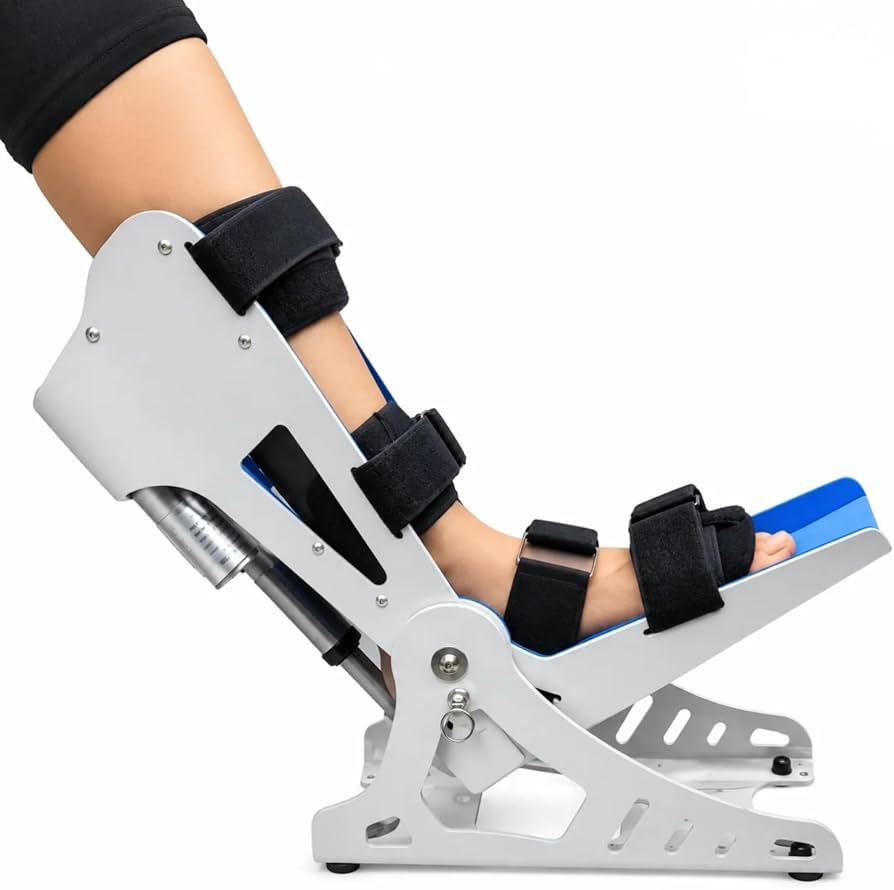
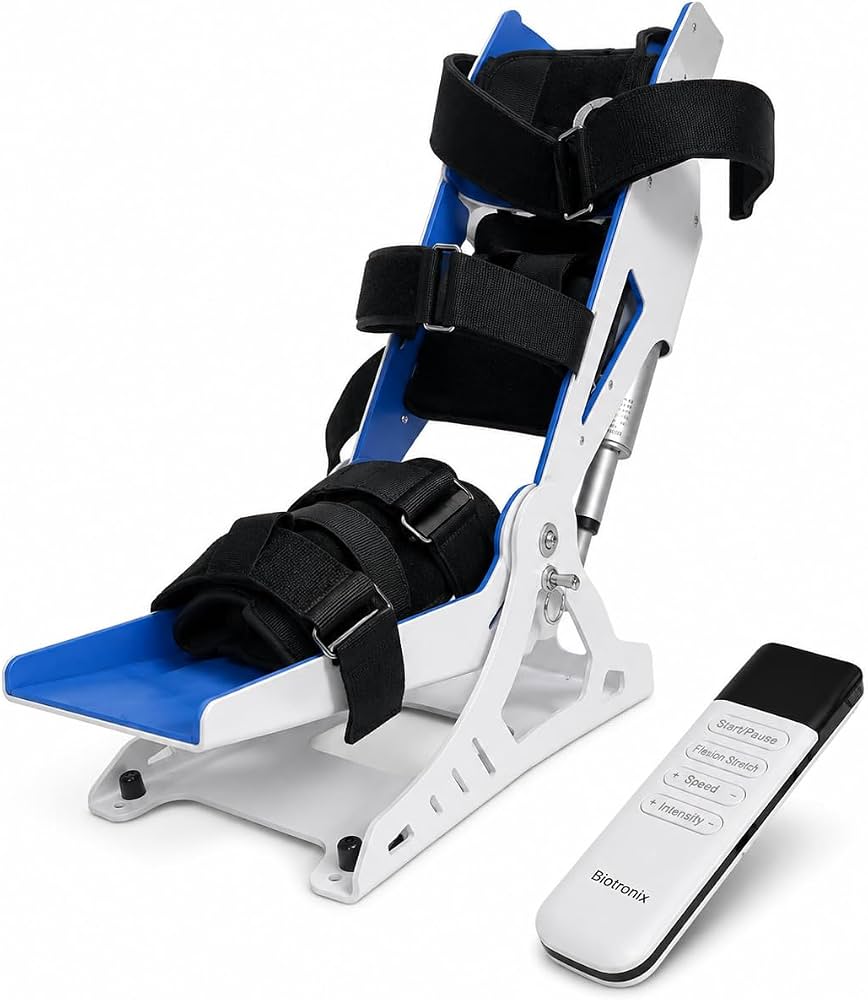
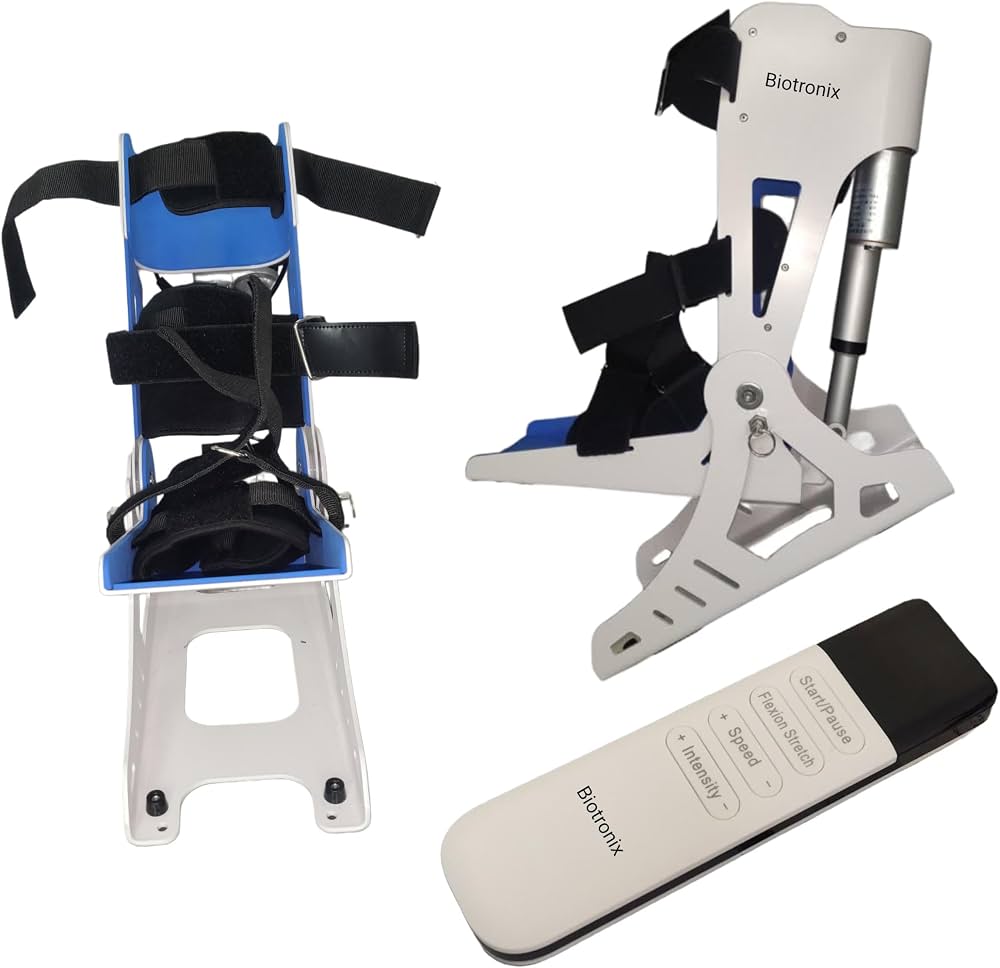
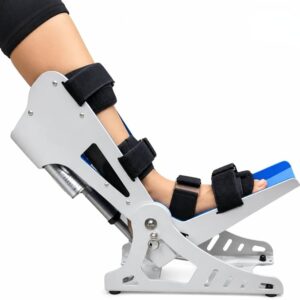
Advanced Ankle CPM Physiotherapy Machine for Ankle Joint Rehabilitation
The Ankle CPM Physiotherapy Machine is a professional rehabilitation device designed to support controlled passive movement of the ankle joint. Using Continuous Passive Motion (CPM) technology, the machine guides the foot and ankle through repetitive, controlled movements without requiring the patient to actively generate the movement.
Designed for physiotherapy clinics, hospitals, orthopedic departments, and rehabilitation centres, the Ankle CPM Physiotherapy Machine provides a dedicated solution for selected ankle joint rehabilitation programs. It can be incorporated into professional treatment plans where controlled passive ankle movement is considered appropriate following surgery, injury, immobilization, or other orthopedic conditions.
Ankle mobility plays an important role in walking, standing, balance, and everyday functional activities. After an injury, surgery, or prolonged immobilization, some patients may require a structured rehabilitation approach to restore appropriate joint movement. An ankle CPM device can support this process by providing repetitive passive movement under professional supervision.
The machine is intended to assist qualified physiotherapists and healthcare professionals in managing suitable ankle rehabilitation sessions according to patient assessment, treatment objectives, and manufacturer guidelines.
Key Features of Ankle CPM Physiotherapy Machine
- Continuous Passive Motion (CPM) Therapy
- Designed for Ankle Joint Rehabilitation
- Controlled Passive Ankle Movement
- Supports Repetitive Joint Mobility Exercises
- Motorized Movement Mechanism
- Adjustable Range of Motion, depending on model configuration
- Adjustable Movement Speed, depending on model configuration
- Supports Controlled Foot and Ankle Positioning
- Designed for Professional Physiotherapy Use
- Suitable for Selected Orthopedic Rehabilitation Programs
- Convenient Clinical Treatment Setup
- Professional Rehabilitation Equipment
Exact movement directions, adjustment ranges, speed settings, control functions, and accessories should be confirmed against the specifications of the supplied model.
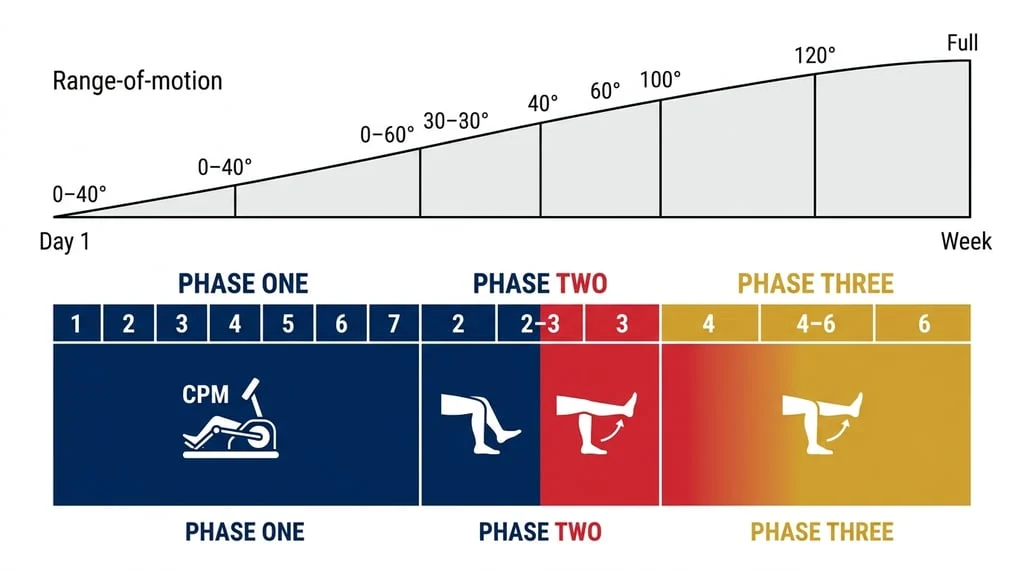
What Is an Ankle CPM Physiotherapy Machine?
An Ankle CPM Physiotherapy Machine is a motorized rehabilitation device designed to move the ankle joint through a controlled range of motion. CPM stands for Continuous Passive Motion, which refers to repetitive joint movement produced by a mechanical device rather than by the patient’s voluntary muscle activity.
During a CPM session, the patient’s foot is positioned and supported by the machine. The motorized mechanism then guides the ankle through the movement range selected by the treating professional.
Unlike conventional active ankle exercises, where the patient contracts muscles to move the foot, an ankle CPM device provides passive movement. This can be considered in selected rehabilitation situations where controlled movement is prescribed and active movement may initially be limited.
The Ankle Joint CPM Machine is designed to support professional rehabilitation management rather than replace a complete physiotherapy program. Treatment suitability, movement limits, and session duration must be determined by a qualified healthcare professional.
Understanding Ankle Joint Rehabilitation
Ankle Joint Rehabilitation focuses on improving or maintaining appropriate ankle mobility, strength, coordination, balance, and functional movement following injury, surgery, or other conditions affecting the ankle.
The ankle joint is involved in several important everyday activities, including:
- Walking
- Standing
- Climbing stairs
- Maintaining balance
- Running
- Jumping
- Changing direction
- Supporting body weight during movement
When ankle movement becomes restricted, these activities may become difficult. A structured rehabilitation program may include passive movement, active exercises, strengthening, stretching, balance training, and functional activities depending on the patient’s condition.
An Ankle CPM Physiotherapy Machine may be included in selected treatment programs when a healthcare professional considers controlled passive movement appropriate.
How Does the Ankle CPM Physiotherapy Machine Work?
The Ankle CPM Physiotherapy Machine uses a motorized mechanism to guide the supported foot and ankle through a selected movement pattern.
The general operating process involves the following steps:
1. Patient Positioning
The patient is positioned comfortably according to the machine’s operating instructions. The foot and lower leg are placed in the appropriate support arrangement.
2. Correct Ankle Alignment
The operator checks the positioning of the ankle joint in relation to the machine’s movement mechanism. Correct alignment is important for comfortable and appropriate movement.
3. Selection of Movement Range
The physiotherapist selects a suitable movement range according to the patient’s assessment, clinical requirements, and any post-operative restrictions.
4. Treatment Setting Adjustment
Available movement speed and other operating settings are configured according to the machine’s specifications and the prescribed rehabilitation plan.
5. Continuous Passive Movement
The motorized mechanism guides the ankle through repetitive passive movement. The patient does not need to actively produce the movement during the CPM exercise.
6. Monitoring During Treatment
The physiotherapist monitors patient comfort, positioning, movement quality, and any signs of pain or discomfort throughout the session.
The machine should only be operated within the movement limits prescribed for the patient.
Role of Continuous Passive Motion in Ankle Joint Rehabilitation
Continuous Passive Motion is a rehabilitation approach that uses a mechanical device to provide repetitive passive joint movement.
In selected cases, an ankle CPM device may be considered when a controlled movement approach is required. It provides a structured way to perform passive ankle exercises while the patient’s foot remains supported.
Potential reasons for incorporating CPM into an appropriate rehabilitation program include:
- Supporting prescribed passive ankle mobility
- Providing repetitive controlled movement
- Supporting a structured post-operative rehabilitation plan
- Assisting selected rehabilitation programs after immobilization
- Providing a dedicated passive exercise option
- Helping manage controlled movement within prescribed limits
CPM is not suitable for every ankle condition. Its use should be based on clinical assessment and the treating professional’s recommendations.
Types of Movement in Ankle Joint Rehabilitation
The ankle and foot complex performs several movements that contribute to normal walking and functional mobility. The exact movements supported by a CPM machine depend on its mechanical design.
Ankle Dorsiflexion
Dorsiflexion refers to moving the foot upward towards the shin. This movement is important during walking and other functional activities.
Ankle Plantarflexion
Plantarflexion refers to pointing the foot downward, away from the shin. It is involved in activities such as pushing off during walking.
Ankle Inversion
Inversion refers to turning the sole of the foot inward.
Ankle Eversion
Eversion refers to turning the sole of the foot outward.
Not every ankle CPM machine supports all four movements. Some devices are designed primarily for a particular movement pattern, such as dorsiflexion and plantarflexion. The actual movement capability should always be confirmed from the product specifications.
Adjustable Treatment Parameters
Depending on the model, an Ankle CPM Physiotherapy Machine may offer adjustment options for movement range, speed, or other operating parameters.
These settings help trained professionals configure the passive exercise according to the prescribed treatment plan.
Range of Motion Adjustment
Range-of-motion adjustment allows the operator to select the permitted movement limits. This is particularly important when the patient has specific movement restrictions following surgery or injury.
Movement Speed Adjustment
Some CPM systems provide movement speed adjustment. This allows the physiotherapist to select an appropriate movement pace according to patient comfort and the prescribed protocol.
Controlled Passive Exercise
The motorized system provides repetitive movement within the selected settings, supporting a structured passive exercise session.
The availability and exact operating limits of these features vary by model.
Ankle CPM Physiotherapy Machine for Post-Operative Rehabilitation
Following certain ankle surgeries, patients may require a carefully planned rehabilitation program. The timing and type of movement depend on the surgical procedure, tissue healing, fixation, and instructions provided by the treating surgeon.
In selected cases, an Ankle CPM Physiotherapy Machine may be considered as part of a supervised rehabilitation plan when passive movement is permitted.
Possible clinical settings where ankle CPM may be evaluated include:
- Selected post-operative ankle rehabilitation
- Rehabilitation following certain ankle procedures
- Recovery programs after selected orthopedic interventions
- Rehabilitation following periods of immobilization
- Selected joint mobility programs
The machine must not be used simply because a patient has undergone ankle surgery. The treating surgeon must confirm whether CPM is appropriate and specify the permitted movement range and timing.
Ankle Joint Rehabilitation After Injury
Ankle injuries can affect joint movement, comfort, stability, and walking ability. Rehabilitation requirements vary according to the type and severity of the injury.
Ankle CPM may be considered in selected cases when controlled passive movement is appropriate.
Ankle Sprain Rehabilitation
An ankle sprain involves injury to the ligaments supporting the ankle joint. Rehabilitation may include progressive mobility exercises, strengthening, balance training, and functional movement.
CPM is not automatically required for an ankle sprain. It should only be considered when specifically indicated by the treating professional.
Ankle Fracture Rehabilitation
Ankle fractures may require immobilization or surgical treatment. Rehabilitation depends on fracture stability, healing progress, and weight-bearing instructions.
Ankle CPM may be considered in selected rehabilitation plans only when the treating surgeon permits passive movement.
Post-Immobilization Rehabilitation
Following a period of immobilization, some patients may experience restricted ankle movement. A physiotherapist may assess whether passive mobility exercises are appropriate as part of a progressive rehabilitation plan.
Orthopedic Rehabilitation
The device may be considered in selected orthopedic rehabilitation programs where controlled ankle movement is prescribed.
Common Applications of Ankle CPM Physiotherapy Machine
The Ankle CPM Physiotherapy Machine may be incorporated into appropriate professional rehabilitation programs involving:
- Ankle Joint Rehabilitation
- Selected Post-Operative Ankle Rehabilitation
- Orthopedic Rehabilitation
- Ankle Mobility Rehabilitation
- Post-Immobilization Rehabilitation
- Selected Ankle Injury Rehabilitation
- Foot and Ankle Rehabilitation
- Joint Mobility Exercises
- Selected Sports Injury Rehabilitation Programs
- General Lower-Limb Rehabilitation
Treatment suitability should always be determined by an appropriately qualified healthcare professional.
Benefits of Ankle CPM Physiotherapy Machine
1. Supports Controlled Passive Ankle Movement
The machine guides the ankle through a selected movement range without requiring the patient to actively generate the movement.
2. Provides Repetitive Movement
Motorized operation allows repeated passive ankle movement during a supervised rehabilitation session.
3. Supports Structured Ankle Joint Rehabilitation
The device can be incorporated into selected rehabilitation programs where passive ankle mobility is prescribed.
4. Helps Maintain a Consistent Movement Pattern
The motorized mechanism provides a controlled and repeatable movement pattern within the selected operating settings.
5. Dedicated Ankle Rehabilitation Equipment
Unlike general exercise equipment, an ankle CPM device is specifically designed for passive ankle movement.
6. Supports Professional Treatment Management
The device provides physiotherapists with a dedicated option for managing appropriate passive movement sessions.
7. Suitable for Clinical Rehabilitation Environments
Its intended application makes it a relevant equipment option for suitable orthopedic, physiotherapy, and rehabilitation facilities.
Ankle CPM Machine vs Conventional Ankle Exercise Equipment
An ankle CPM machine and conventional ankle exercise equipment serve different rehabilitation purposes.
| Feature | Ankle CPM Physiotherapy Machine | Conventional Ankle Exercise Equipment |
|---|---|---|
| Movement | Machine-guided passive movement | Usually patient-generated movement |
| Muscle activity | Passive during CPM | Active muscle contraction may be required |
| Main purpose | Controlled passive mobility | Mobility, strengthening, and functional training |
| Operation | Motorized mechanism | Manual or resistance-based exercise |
| Patient effort | Limited during passive movement | Depends on exercise type |
| Application | Selected passive rehabilitation programs | Progressive active rehabilitation |
Both approaches may be used within a rehabilitation plan, but the selection depends on the patient’s condition, healing stage, and clinical requirements.
Ankle CPM Physiotherapy Machine vs Knee CPM Machine
Although both devices use Continuous Passive Motion technology, they are designed for different joints.
| Feature | Ankle CPM Machine | Knee CPM Machine |
|---|---|---|
| Target joint | Ankle | Knee |
| Main movement | Depends on model; commonly ankle movement patterns | Knee flexion and extension |
| Patient positioning | Foot and lower-leg support | Leg and thigh support |
| Rehabilitation focus | Ankle joint rehabilitation | Knee joint rehabilitation |
| Equipment design | Designed for ankle positioning | Designed for knee positioning |
A knee CPM machine should not be considered a substitute for an ankle-specific CPM device unless the manufacturer specifically supports the required ankle application.
Suitable For
The Ankle CPM Physiotherapy Machine may be suitable for professional use in:
- Physiotherapy Clinics
- Hospitals
- Orthopedic Clinics
- Rehabilitation Centres
- Post-Operative Rehabilitation Departments
- Sports Medicine Centres
- Sports Injury Rehabilitation Facilities
- Physical Therapy Departments
- Orthopedic Rehabilitation Hospitals
- Professional Healthcare Facilities
Important Factors to Consider Before Buying an Ankle CPM Machine
Choosing the right ankle CPM equipment is important for clinical suitability, patient comfort, and routine operation.
Movement Capability
Check which ankle movements the machine supports. Confirm whether it provides dorsiflexion and plantarflexion only or additional movement options.
Range of Motion
Review the available movement range and confirm that it suits the clinical requirements of the intended patient population.
Speed Adjustment
Check whether movement speed is adjustable and review the operating range provided by the manufacturer.
Patient Positioning and Support
The foot and lower leg should be supported appropriately. Check the positioning arrangement and adjustment options.
Ease of Operation
A user-friendly control system can make routine treatment setup more convenient for trained professionals.
Safety Features
Review the available safety controls, movement limits, emergency stopping arrangements, and other protective features.
Manufacturer Support
Confirm warranty, servicing, maintenance requirements, user documentation, and availability of replacement accessories.
Product Specifications
Always compare the actual model specifications rather than relying only on a general product title or description.
Safety and Operating Guidelines
The Ankle CPM Physiotherapy Machine should only be operated according to the manufacturer’s instructions and the patient’s prescribed rehabilitation plan.
Important precautions include:
- Obtain clearance from the treating surgeon or qualified healthcare professional before starting CPM after surgery.
- Confirm that passive ankle movement is appropriate for the patient’s condition.
- Position and align the foot and ankle correctly.
- Follow the prescribed movement range.
- Do not force the ankle beyond its permitted limits.
- Monitor patient comfort throughout the session.
- Stop the machine if unusual pain, increased discomfort, numbness, or other concerning symptoms occur.
- Check straps, supports, and mechanical components before use.
- Keep the equipment clean and follow the manufacturer’s maintenance instructions.
- Do not allow untrained individuals to change clinical settings.
CPM may be unsuitable in certain conditions, including some unstable fractures, unhealed surgical repairs, acute complications, or situations where movement is restricted by the treating surgeon. A professional assessment is essential before treatment.
Why Choose PHYSIOMODALITIES ENTERPRISES?
PHYSIOMODALITIES ENTERPRISES provides physiotherapy, electrotherapy, orthopedic, and rehabilitation equipment for professional healthcare environments.
For physiotherapy clinics, hospitals, and rehabilitation centres looking for an Ankle CPM Physiotherapy Machine, selecting an appropriate model involves reviewing its movement capabilities, adjustment options, patient support, safety features, and manufacturer specifications.
PHYSIOMODALITIES ENTERPRISES supports healthcare facilities looking for equipment solutions across different rehabilitation and physiotherapy requirements.
Before purchasing, clinics and dealers should confirm the exact product configuration, available accessories, warranty, and technical specifications.
Conclusion
The Ankle CPM Physiotherapy Machine is a specialized motorized rehabilitation device designed to provide controlled passive ankle movement. It can be incorporated into selected Ankle Joint Rehabilitation programs where repetitive passive movement is considered appropriate by a qualified healthcare professional.
With its dedicated ankle positioning and motorized movement mechanism, an ankle CPM device offers a structured option for supervised passive mobility exercises in professional physiotherapy and orthopedic rehabilitation environments.
For clinics, hospitals, and rehabilitation centres, selecting the right Ankle CPM Physiotherapy Machine requires careful consideration of movement capability, range adjustment, patient comfort, safety features, and manufacturer specifications.
The machine should always be operated under professional supervision and according to patient assessment, surgical instructions, manufacturer guidelines, and established clinical protocols.
Frequently Asked Questions (FAQs)
1. What is an Ankle CPM Physiotherapy Machine?
An Ankle CPM Physiotherapy Machine is a motorized rehabilitation device designed to provide controlled passive movement of the ankle joint.
2. What does CPM stand for?
CPM stands for Continuous Passive Motion. It refers to repetitive joint movement generated by a mechanical device without requiring the patient to actively produce the movement.
3. What is an Ankle CPM Machine used for?
It may be incorporated into selected ankle joint rehabilitation programs involving post-operative recovery, joint mobility, and certain orthopedic rehabilitation requirements when passive movement is prescribed.
4. What movements can an Ankle CPM Machine provide?
Depending on the model, it may support movements such as ankle dorsiflexion and plantarflexion. Additional movement capabilities should be confirmed from the product specifications.
5. Is an Ankle CPM Machine useful for ankle joint rehabilitation?
It can support selected ankle joint rehabilitation programs by providing repetitive, controlled passive movement under professional supervision.
6. Can an Ankle CPM Machine be used after ankle surgery?
It may be used after certain procedures when the treating surgeon specifically permits passive ankle movement and defines the appropriate movement limits.
7. Does the patient need to move the foot actively?
No. During CPM exercise, the machine guides the supported foot through the selected movement pattern.
8. Is the movement range adjustable?
Many CPM systems provide range-of-motion adjustment. The exact range and adjustment options depend on the machine model.
9. Who should operate an Ankle CPM Physiotherapy Machine?
It should be operated by appropriately trained physiotherapists or healthcare professionals familiar with the device and the patient’s rehabilitation requirements.
10. Can an Ankle CPM Machine replace regular physiotherapy?
No. CPM is a passive movement approach. It does not replace active exercises, strengthening, balance training, or functional rehabilitation when these are prescribed.


Reviews
There are no reviews yet.