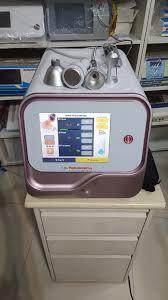
Advanced Class IV Laser Therapy Machine (Big Model) for Physiotherapy and Rehabilitation
The Class IV Laser Therapy Machine (Big Model) is an advanced high-power laser therapy system designed for professional physiotherapy, orthopedic rehabilitation, sports medicine, and clinical treatment environments. It uses controlled laser light energy for selected therapeutic applications and is intended to be operated by appropriately trained healthcare professionals.
The Big Model is a specialised equipment option for physiotherapy facilities looking to incorporate high-power laser technology into their treatment services. Class IV laser systems are generally distinguished by their higher accessible output power, allowing trained operators to configure different treatment parameters according to the machine’s capabilities and the selected clinical protocol.
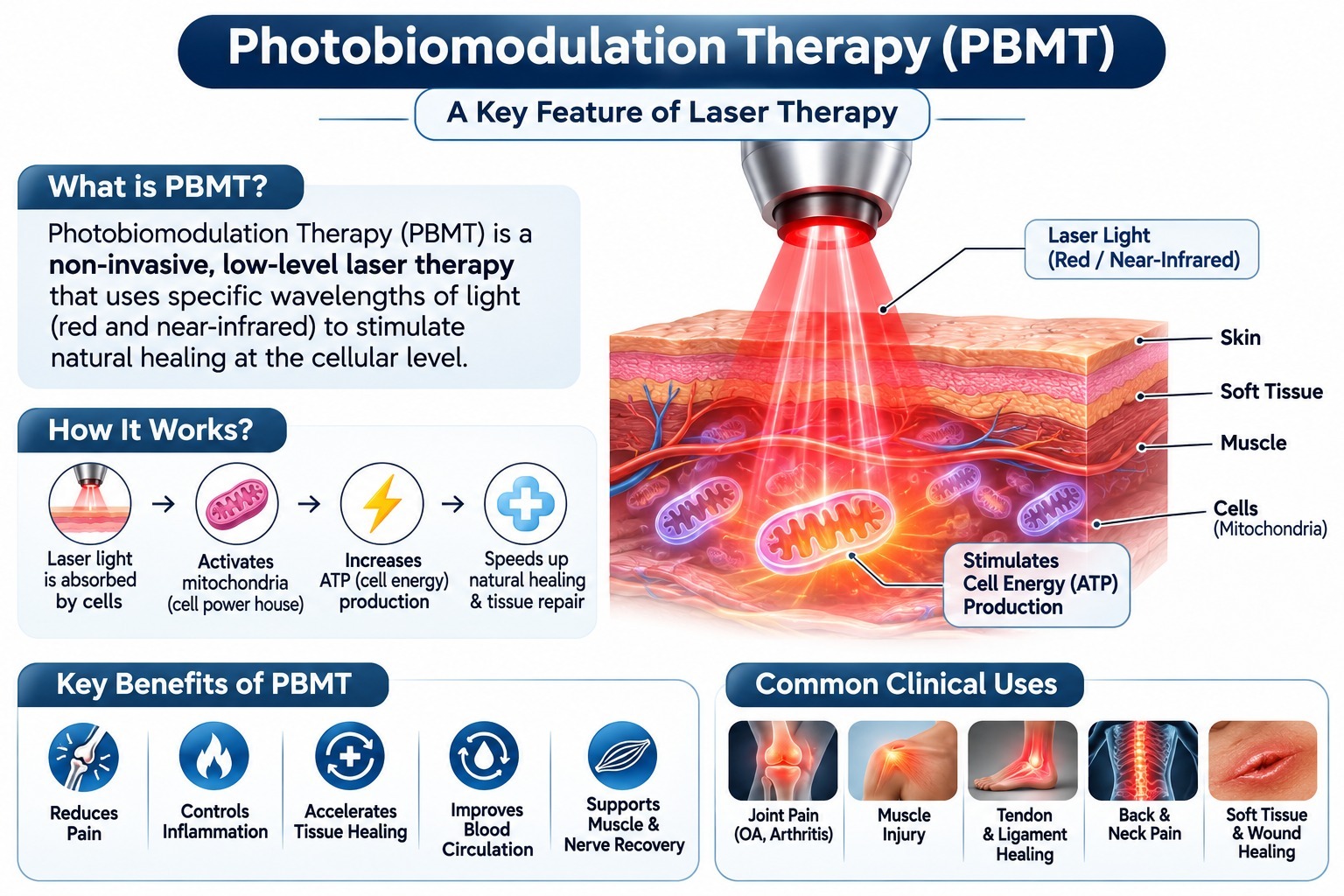
Laser therapy, also known as Photobiomodulation Therapy (PBMT), uses specific wavelengths of light to interact with biological tissues. Depending on the wavelength, energy dose, output power, and application technique, laser therapy may be incorporated as an adjunct to selected physiotherapy and rehabilitation programs.
The Class IV Laser Therapy Machine (Big Model) is intended for professional facilities requiring a dedicated laser therapy system. Its larger model configuration makes it a product option for clinics evaluating a substantial laser equipment setup, subject to confirmation of its actual dimensions, output specifications, and features.
Key Features of Class IV Laser Therapy Machine (Big Model)
- Class IV High-Power Laser Technology
- Professional Laser Therapy System
- Big Model Configuration
- Designed for Physiotherapy Applications
- Photobiomodulation Therapy Technology
- Controlled Laser Energy Delivery
- Selected Musculoskeletal Rehabilitation Applications
- Professional Laser Applicator
- Adjustable Treatment Parameters, Depending on Model
- Continuous and Pulsed Modes, If Supported
- Digital Treatment Controls, If Provided
- Professional Clinical Equipment Design
- Laser Safety Features According to Device Configuration
The exact wattage, wavelengths, operating modes, treatment programs, display type, applicator configuration, cooling system, and accessories must be verified from the manufacturer’s datasheet.
What Is a Class IV Laser Therapy Machine?
A Class IV Laser Therapy Machine is a high-power laser system designed for specialised therapeutic and professional applications.
According to laser classification standards, Class IV laser products have accessible output power above the Class 3B limits. These devices require strict safety precautions because direct or reflected laser exposure can cause serious eye and skin injuries.
In physiotherapy, Class IV laser systems are used for selected therapeutic applications involving controlled delivery of light energy to a treatment area.
The machine’s performance and application depend on several technical parameters:
- Laser wavelength
- Maximum output power
- Average output power
- Peak power, where applicable
- Continuous or pulsed emission
- Treatment duration
- Energy delivered
- Energy density
- Applicator and spot size
These specifications are important when evaluating a professional high-power laser physiotherapy machine.
What Makes the Big Model Different?
The Class IV Laser Therapy Machine (Big Model) is identified as the larger configuration within the product range.
A larger model may offer a different physical structure, control-unit arrangement, or accessory configuration compared with a compact model. However, the term Big Model alone does not establish higher laser output, additional wavelengths, more treatment programs, or superior clinical performance.
When comparing the Big Model with a regular Class IV laser machine, clinics should verify:
Machine Configuration
Check the actual machine dimensions, weight, housing design, display arrangement, and installation requirements.
Laser Output
Compare the continuous-wave output, average power, peak power, and available output settings rather than relying only on the product name.
Wavelength Options
Confirm the available laser wavelengths and whether they can be selected independently or delivered in combination.
Applicator Configuration
Check the handpiece, fibre-optic cable, treatment heads, spacers, and other supplied accessories.
Operating Features
Verify whether the Big Model includes touchscreen controls, pre-programmed protocols, adjustable treatment modes, and custom settings.
The actual differences should be based on the manufacturer’s product specifications.
Understanding High-Power Laser Therapy
High-power laser therapy uses concentrated light energy delivered through a specialised applicator.
The light interacts with biological tissues, and the response depends on the wavelength, energy dose, power density, tissue characteristics, and treatment technique.
In selected applications, laser energy may be used for photobiomodulation. Depending on the operating parameters, higher-power laser treatment may also produce thermal effects.
For this reason, a Class IV laser machine requires professional handling and careful parameter selection.
The Class IV Laser Therapy Machine (Big Model) should be operated only according to its approved intended use and the manufacturer’s instructions.
Photobiomodulation Therapy (PBMT)
Photobiomodulation Therapy (PBMT) is the scientific term used for the interaction of specific wavelengths of non-ionizing light with biological tissues.
Research into PBMT examines its possible influence on cellular signalling and biological responses. The outcome depends on the wavelength, energy delivered, treatment area, and individual patient factors.
Photobiomodulation is different from conventional heating therapy, electrical stimulation, and mechanical massage.
In professional physiotherapy, laser technology may be considered as an additional treatment modality alongside appropriate rehabilitation interventions.
How Does the Class IV Laser Therapy Machine Work?
The working process involves generating laser light and delivering controlled energy to a selected treatment area.
1. Laser Generation
The machine uses an internal laser source to generate light at its specified wavelength or wavelengths.
The wavelength determines important optical characteristics and how the light interacts with biological tissues.
2. Laser Energy Delivery
The generated laser energy is transferred through a dedicated applicator or handpiece.
The practitioner positions and operates the applicator according to the manufacturer’s recommended technique.
3. Parameter Selection
Depending on the machine configuration, available parameters may include:
- Output power
- Treatment time
- Energy in joules
- Pulse frequency
- Emission mode
- Energy density
The practitioner selects settings according to the treatment objective, patient assessment, and approved device protocol.
4. Tissue Interaction
The delivered light interacts with tissue components. In photobiomodulation applications, this interaction may influence cellular processes.
The biological response is not identical for every wavelength, energy dose, or treatment condition.
5. Treatment Monitoring
The practitioner monitors the treatment procedure and patient response while following the machine’s safety requirements.
Treatment should never be performed by selecting maximum output simply because the machine is capable of producing it.
Class IV Laser Therapy vs Low-Level Laser Therapy
Class IV laser therapy and low-level laser therapy (LLLT) both use light-based technology, but their accessible output power and operating characteristics differ.
| Comparison | Class IV Laser Therapy | Low-Level Laser Therapy |
|---|---|---|
| Laser classification | Class IV | Commonly lower laser classes |
| Accessible output power | Higher-power laser category | Lower-power category |
| Application | Selected high-power laser protocols | Selected low-level photobiomodulation protocols |
| Thermal effects | May occur depending on settings | Generally designed for non-thermal applications |
| Safety requirements | Strict Class IV laser precautions | Precautions appropriate to device classification |
| Clinical use | Selected professional laser applications | Selected professional light therapy applications |
The two technologies are not interchangeable. The appropriate system depends on the treatment requirements, device specifications, and professional assessment.
Common Physiotherapy Applications
The Class IV Laser Therapy Machine (Big Model) may be considered as an adjunct in selected professional physiotherapy programs.
The following are broad areas in which therapeutic laser technology may be evaluated. Actual suitability depends on clinical evidence, device indications, patient assessment, and professional judgment.
1. Musculoskeletal Rehabilitation
Musculoskeletal rehabilitation involves the management of conditions affecting muscles, joints, tendons, ligaments, and supporting tissues.
Therapeutic laser may be considered alongside exercise therapy, manual therapy, and other suitable interventions in selected rehabilitation programs.
2. Back Pain Management
Back pain can arise from different musculoskeletal and non-musculoskeletal causes.
A physiotherapist may assess whether laser therapy is appropriate as an adjunct to a broader treatment program involving exercise, mobility training, and movement education.
3. Neck Pain Management
Neck pain may involve muscular, joint-related, postural, or other contributing factors.
Laser therapy may be considered in selected professional treatment plans when appropriate. It should not replace a complete assessment or a suitable rehabilitation program.
4. Sports Injury Rehabilitation
Sports physiotherapy involves structured recovery programs designed around injury assessment, functional limitations, strength, mobility, and return-to-sport requirements.
Class IV laser technology may be considered as an additional modality in selected sports rehabilitation protocols.
5. Muscle Rehabilitation
Muscle-related conditions require individual assessment and appropriate rehabilitation planning.
Therapeutic laser may be incorporated into selected programs alongside progressive exercise and other suitable interventions.
6. Tendon and Soft-Tissue Rehabilitation
Tendon and soft-tissue rehabilitation often involves carefully planned loading, exercise progression, and activity modification.
Photobiomodulation has been studied for its possible influence on tissue responses. However, outcomes vary, and laser therapy should not replace evidence-based rehabilitation exercises.
7. Joint Rehabilitation
Joint rehabilitation may involve improving mobility, functional movement, strength, and coordination.
A trained professional may consider therapeutic laser as an adjunct when appropriate for the patient’s condition and the machine’s intended use.
8. Orthopedic Rehabilitation
Orthopedic rehabilitation covers a broad range of conditions involving joints, bones, muscles, and supporting tissues.
Laser therapy may be incorporated into selected professional programs as one component of a wider rehabilitation approach.
9. Post-Injury Rehabilitation
Recovery after injury can require a combination of exercise, mobility work, functional training, and other appropriate treatment approaches.
Therapeutic laser may be considered as an additional modality in selected cases following professional assessment.
10. General Physical Rehabilitation
Rehabilitation programs are designed according to individual functional limitations and treatment objectives.
The Big Model Class IV laser system can complement other professional physiotherapy equipment where its use is appropriate.
Class IV Laser Therapy Machine for Sports Medicine
Sports medicine facilities require specialised equipment to support different stages of athlete rehabilitation.
The Class IV Laser Therapy Machine (Big Model) may be considered for selected sports physiotherapy applications as an adjunct to a structured rehabilitation program.
Potential professional application areas include:
- Sports Physiotherapy
- Athletic Rehabilitation
- Musculoskeletal Rehabilitation
- Selected Soft-Tissue Applications
- Muscle Rehabilitation
- Joint Rehabilitation
- Return-to-Sport Rehabilitation Programs
The appropriate treatment approach should be determined by a qualified sports physiotherapist based on the athlete’s condition and rehabilitation goals.
Important Technical Specifications to Consider
When choosing a Class IV Laser Therapy Machine (Big Model), professional buyers should review the following specifications.
1. Laser Wavelength
Wavelength is measured in nanometres (nm) and determines important optical characteristics of the laser.
Some therapeutic laser systems use wavelengths in the red and near-infrared regions. The exact wavelengths available on the Big Model must be confirmed from the manufacturer’s datasheet.
2. Maximum Output Power
Laser output power is measured in watts (W).
Class IV laser systems have accessible output power above 500 mW. However, maximum output varies between models.
Always distinguish continuous output power, average power, and peak power where pulsed or superpulsed operation is available.
3. Continuous and Pulsed Modes
Some professional laser systems provide different emission modes.
Continuous Wave (CW): Laser energy is delivered continuously while the emission is active.
Pulsed Mode: Laser energy is delivered in pulses according to the device’s pulse settings.
Not every Class IV machine supports both modes. Check the actual operating options before purchasing.
4. Treatment Applicator
The applicator delivers laser energy to the treatment area.
Important details include handpiece design, spot size, contact or non-contact application, fibre-optic cable, and available treatment heads.
5. Treatment Programs
Some models include preset treatment protocols, while others allow manual parameter selection.
Check the number of available programs and whether custom protocols can be saved.
6. Display and Controls
A larger model may have a different control-unit configuration. Verify whether it includes an LCD display, touchscreen, digital controls, or other interface features.
7. Cooling System
High-power laser equipment may require a dedicated cooling arrangement to manage operating temperature.
Confirm whether the machine uses air cooling, another cooling method, or thermal protection.
8. Safety Features
Check the availability of:
- Key-controlled operation
- Emergency stop
- Emission indicators
- Protective eyewear
- Safety interlock
- Applicator safety controls
- Laser warning labels
- Manufacturer-recommended safety procedures
Benefits of Class IV Laser Therapy Equipment for Clinics
Advanced Laser Technology
A Class IV system offers a specialised high-power laser modality for professional physiotherapy environments.
Flexible Treatment Configuration
Where supported, adjustable operating parameters allow trained practitioners to configure treatment according to the approved protocol.
Complementary Rehabilitation Modality
Laser therapy may be used alongside exercise therapy, manual therapy, and other suitable physiotherapy interventions.
Professional Equipment Upgrade
The Big Model provides an additional equipment option for clinics planning to expand their therapeutic laser facilities.
Suitable for Multiple Clinical Environments
Depending on its approved intended use, it may be considered by physiotherapy clinics, hospitals, sports medicine centres, and rehabilitation facilities.
Class IV Laser vs Other Physiotherapy Machines
Different physiotherapy machines use different technologies and are selected for different treatment objectives.
| Equipment | Operating Principle | Professional Application |
|---|---|---|
| Class IV Laser Therapy Machine | High-power laser light | Selected laser therapy applications |
| TENS Machine | Electrical stimulation | Selected pain-management applications |
| IFT Machine | Interferential electrical currents | Selected electrotherapy applications |
| Muscle Stimulation Machine | Electrical stimulation | Selected muscle stimulation applications |
| Ultrasonic Physiotherapy Machine | High-frequency acoustic energy | Selected therapeutic ultrasonic applications |
| Shortwave Diathermy Machine | Electromagnetic energy | Selected thermal therapy applications |
These devices have different operating principles and cannot be treated as direct substitutes for one another.
Suitable For
The Class IV Laser Therapy Machine (Big Model) may be considered for professional use in:
- Physiotherapy Clinics
- Hospitals
- Rehabilitation Centres
- Orthopedic Clinics
- Sports Medicine Centres
- Sports Injury Rehabilitation Facilities
- Physical Therapy Departments
- Professional Healthcare Institutions
Class IV Laser Safety and Precautions
Class IV laser products can cause serious eye and skin injuries from direct or reflected exposure. Strict safety procedures are essential.
Before operating the Class IV Laser Therapy Machine (Big Model), the professional operator must:
- Complete appropriate device-specific laser safety training.
- Read the manufacturer’s operating manual.
- Use protective eyewear suitable for the machine’s wavelength and optical density requirements.
- Ensure that everyone within the controlled treatment area follows eye-protection procedures.
- Restrict access to the laser treatment area.
- Avoid directing the beam toward eyes or reflective surfaces.
- Inspect the applicator and equipment before operation.
- Follow the manufacturer’s recommendations for power, energy, duration, and application technique.
- Assess patient suitability and contraindications.
- Follow applicable laser safety standards and institutional procedures.
The machine must never be operated by untrained individuals. Class IV laser safety requirements should be treated as an essential part of clinical equipment management.
How to Choose the Right Big Model Class IV Laser Machine
Before purchasing, clinics should evaluate:
Technical Performance
Check wavelength, output power, average power, peak power, emission modes, and energy controls.
Big Model Configuration
Confirm the actual dimensions, weight, control-unit design, installation requirements, and physical differences from the regular model.
Applicator and Accessories
Check the handpiece, cable, treatment heads, spacers, protective eyewear, and other supplied accessories.
Clinical Applications
Verify the manufacturer’s approved intended use and ensure it matches the professional services offered by your facility.
Safety and Regulatory Documentation
Review laser classification, safety documentation, applicable medical-device registration, certifications, and user manuals.
Warranty and Technical Support
Confirm warranty coverage, maintenance requirements, calibration information, service availability, and technical support.
Why Choose Class IV Laser Therapy Machine (Big Model) from PHYSIOMODALITIES ENTERPRISES?
The Class IV Laser Therapy Machine (Big Model) is a specialised equipment option for professional facilities considering high-power laser technology for selected physiotherapy and rehabilitation applications.
PHYSIOMODALITIES ENTERPRISES provides professional physiotherapy, electrotherapy, laser therapy, orthopedic, and rehabilitation equipment for clinical environments.
Whether you are setting up a new physiotherapy clinic, upgrading an existing rehabilitation department, or sourcing advanced laser therapy equipment, selecting the correct model is important.
Our product information and purchasing assistance can help professional buyers evaluate the machine’s available configuration and technical specifications.
Contact PHYSIOMODALITIES ENTERPRISES to enquire about the Class IV Laser Therapy Machine (Big Model), available configuration, technical details, and purchasing information.
Conclusion
The Class IV Laser Therapy Machine (Big Model) is a specialised high-power laser system designed for professional physiotherapy, sports medicine, and rehabilitation environments.
Based on therapeutic laser technology and photobiomodulation principles, it provides an additional modality that may be incorporated into selected professional treatment programs. Its Big Model configuration makes it a distinct equipment option for clinics evaluating a larger laser system.
When choosing a Class IV Laser Therapy Machine, professional buyers should carefully review wavelength, output power, emission modes, applicator configuration, treatment controls, safety features, and regulatory documentation.
For physiotherapy clinics, hospitals, orthopedic facilities, and sports rehabilitation centres, PHYSIOMODALITIES ENTERPRISES offers professional equipment solutions to support clinical and rehabilitation requirements.
The machine should only be operated by appropriately trained professionals following the manufacturer’s instructions, individual patient assessment, applicable laser safety requirements, and approved intended use.
Frequently Asked Questions (FAQs)
1. What is a Class IV Laser Therapy Machine (Big Model)?
It is a larger configuration of a Class IV high-power laser therapy system intended for professional therapeutic applications, subject to the manufacturer’s specifications.
2. What is the difference between the Big Model and the regular model?
The main difference should be confirmed from the product specifications. It may relate to physical size, configuration, controls, or accessories. The name alone does not establish higher output power.
3. What is Class IV Laser Therapy used for?
It may be incorporated as an adjunct into selected professional physiotherapy, sports rehabilitation, and musculoskeletal treatment programs when clinically appropriate.
4. What is photobiomodulation therapy?
Photobiomodulation therapy uses specific wavelengths of non-ionizing light to influence biological processes. Its effects depend on the wavelength, energy dose, and treatment conditions.
5. Does the Big Model have adjustable power?
Power adjustment depends on the machine’s actual configuration. Check the manufacturer’s datasheet for available output settings.
6. Does the machine support continuous and pulsed modes?
Some Class IV laser machines support both modes. The exact modes available on this Big Model should be confirmed with the supplier.
7. Is protective eyewear required?
Yes. Appropriate protective eyewear is essential for Class IV laser operation. Everyone in the controlled treatment area must follow the manufacturer’s eye-protection requirements.
8. Who can operate this machine?
It should only be operated by appropriately trained professionals familiar with laser therapy procedures, device instructions, and Class IV laser safety.
9. Where can this machine be used?
Depending on its approved intended use, it may be considered for physiotherapy clinics, hospitals, rehabilitation centres, orthopedic clinics, and sports medicine facilities.
10. What should I check before purchasing?
Check wavelength, maximum and average output power, emission modes, treatment applicator, display, treatment programs, safety features, accessories, warranty, and regulatory documentation.


Reviews
There are no reviews yet.